Best Scotch whisky for beginners
A low-jargon route into Scotch, with the lightest styles first and live UK comparisons.
This is a working editorial draft for the Uisge Beatha recommendation series. It is available only on the noindexed development site while the copy, tasting basis and bottle curation are reviewed. Live bottle panels below are the source of availability and price; they intentionally change when stock changes.
Start with the reader
Scotch does not begin and end with smoke. Start with unpeated or lightly smoky options, and explain that single malt describes production at one distillery rather than a quality grade.
Current bottles to compare
This is a live shortlist, not a permanent ranking. It displays only bottles with current in-stock offers in the Uisge Beatha catalogue. Before this article can be published, the editor should choose final bottles after tasting or name the independent tasting basis, then verify each exact expression, size, ABV, retailer link and delivery assumption.

Ardbeg Corryvreckan
57.1% ABV · 70cl
from £74.95 5 retailers
£80.90 delivered
Save up to £8.05

Balvenie 12 Year Old DoubleWood
12 years · 40.0% ABV · 70cl
from £50.95 5 retailers
£56.40 delivered
Save up to £4.04

Glenfiddich 12 Year Old
12 years · 40.0% ABV · 70cl
from £38.99 5 retailers
£43.94 delivered
Save up to £7.01
1770 Glasgow Original Single Malt
46.0% ABV · 70cl
from £42.95 4 retailers
£48.90 delivered
Save up to £5.05
1770 Glasgow Triple Distilled Whisky
46.0% ABV · 70cl
from £51.00 4 retailers
£55.50 delivered
Save up to £2.00
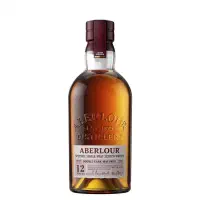
Aberlour 12 Year Old
12 years · 40.0% ABV · 70cl
from £42.95 4 retailers
£48.90 delivered
Save up to £6.04

Ardbeg 10 Year Old
10 years · 46.0% ABV · 70cl
from £45.00 4 retailers
£49.99 delivered
Save up to £2.50

Arran 10 Year Old
10 years · 46.0% ABV · 70cl
from £44.50 4 retailers
£49.00 delivered
Save up to £5.00
What the finished article needs to explain
Explain the five protected Scotch regions without turning typical flavour descriptions into promises. Save peat for a later choice and show readers that blends are a valid Scotch category.
How we will choose final recommendations
We will use a flavour bridge, current UK availability, comparable bottle size and strength, and a transparent tasting basis. We will not present a retailer’s product copy, a historic price or an award as our own tasting conclusion. Prices are live and can change; see how we compare prices before using a bottle as a comparison or gift choice.