On this page
Cask strength vs standard: UK prices compared
Cask strength and standard bottlings of the same whisky compared on price per 70cl at UK retailers, with strength stated as a label fact.
Is cask strength whisky worth it? The price answer is plain: in every like-for-like pair we found in our October 2026 catalogue checks, the cask-strength bottling cost more per 70cl than the standard version of the same whisky. Strength appears below as a label fact, not as a reason to buy. Whether the difference is worth paying is a matter of taste.
This guide links to retailers. Our links go straight to the retailer. We do not earn a commission from them.
How we compared
We looked for pairs of the same whisky sold at cask strength and at a standard strength: the same distillery or brand, the same expression and the same age statement where there is one, both 70cl, and both in stock at the UK retailers we check in October 2026. Only a handful of pairs met that bar, and each is checked by hand. Prices render from live data with their retailer and check time. Loch Fyne Whiskies and The Whisky Shop share an owner, so we count them as one retailer. We have not tasted these bottles for this guide.
The pairs
Each pair is the same whisky at two strengths. We do not print the gap between them, because prices move daily; the figures shown are the current ones.
Maker’s Mark. The standard bourbon at 45% ABV (£28.49 at DrinkSupermarket.com) against the Cask Strength at 55% ABV (£65.99 at DrinkSupermarket.com). Several of the retailers we check stock both sides of this pair.
Indri Trini and Indri DRU. Trini at 46% ABV (£42.99 at DrinkSupermarket.com) against DRU, the cask-strength release, at 57.2% ABV (£71.00 at The Whisky Shop). Both are single malts from the same Indian distillery. Trini currently has one retailer in our data, so there is no cross-shop comparison on that side.
Torabhaig Allt Gleann. The Legacy bottling at 46% ABV (£52.50 at Tyndrum Whisky) against the Batch Strength at 61.1% ABV (£74.50 at Tyndrum Whisky), the same Skye single malt at two strengths.
Torabhaig Sound of Sleat. The Legacy Series Chapter 4 bottling at 46% ABV (£56.99 at Tyndrum Whisky) against the Batch Strength at 60.2% ABV (£72.99 at Tyndrum Whisky).
Bunnahabhain 12 Year Old. The standard 12 at 46.3% ABV (£46.50 at Tyndrum Whisky) against the 2025 cask-strength edition at 56.4% ABV (£84.00 at The Whisky Shop). Cask-strength editions change from year to year, so the strength on this one applies to the 2025 release only.
Redbreast 12 Year Old. The standard 12 at 40% ABV (£56.00 at The Whisky Shop) against the cask-strength 12 at 57.5% ABV (£94.45 at Milroy's of Soho). The cask-strength side has one retailer in our data, so treat its figure as a single quote rather than a market price.
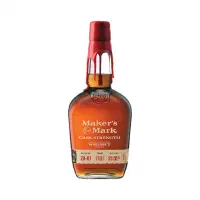
Maker's Mark Cask Strength
55.0% ABV · 70cl
from £65.99 3 retailers
£70.94 delivered
Save up to £15.01
Compare prices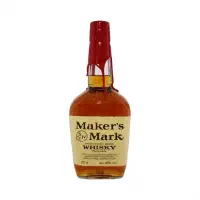
Maker's Mark Bourbon
45.0% ABV · 70cl
from £28.49 4 retailers
£33.44 delivered
Save up to £7.46
Compare prices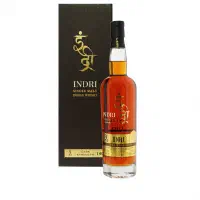
Indri DRU Single Malt Indian Whisky
57.2% ABV · 70cl
from £71.00 4 retailers
£75.99 delivered
Save up to £8.95
Compare prices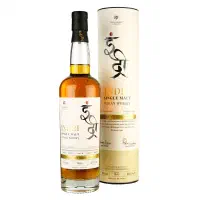
Indri Trini Single Malt Indian Whisky
46.0% ABV · 70cl
from £42.99 1 retailer
£47.94 delivered
Compare prices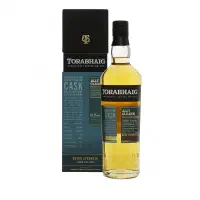
Torabhaig Allt Gleann Batch Strength
61.1% ABV · 70cl
from £74.50 3 retailers
£79.00 delivered
Save up to £13.50
Compare prices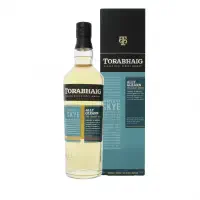
Torabhaig Allt Gleann Legacy
46.0% ABV · 70cl
from £52.50 3 retailers
£57.00 delivered
Save up to £12.00
Compare prices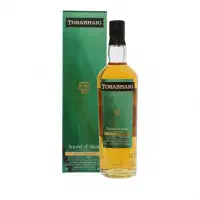
Torabhaig Sound of Sleat Batch Strength
60.2% ABV · 70cl
from £72.99 2 retailers
£77.49 delivered
Save up to £2.01
Compare prices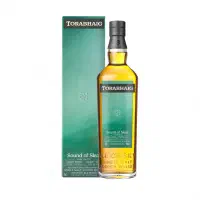
Torabhaig Sound of Sleat Legacy Series Chapter 4
46.0% ABV · 70cl
from £56.99 4 retailers
£61.49 delivered
Save up to £10.01
Compare pricesWhat cask strength means on the label
Cask strength means the whisky was bottled without being reduced to a standard strength with water, so the ABV is whatever it reached in the cask and changes from batch to batch. Whiskipedia’s cask strength guide covers the process. Many drinkers add a little water to taste, a serving choice Whiskipedia explains; it says nothing about which bottle is the better buy.
Why the cask-strength version costs more
Two neutral reasons. First, duty. UK spirits duty is charged per litre of pure alcohol, £33.99 per litre from 1 February 2026, so a 70cl bottle at 46% ABV carries £10.94 of duty before VAT while the same size bottle at 57% ABV carries £13.56. Second, cask-strength releases are often smaller batches. Neither fact makes the stronger bottle better value; it only explains part of the price.
The wider cask strength selection lists every in-stock bottle we track, with the same live prices.
How we compared: check date and coverage
We compared in-stock offers from Abbey Whisky, DrinkSupermarket.com, Hard To Find Whisky, Loch Fyne Whiskies, Milroy’s of Soho, The Whisky Shop, Tyndrum Whisky and Whisky Me in our October 2026 catalogue checks. Loch Fyne Whiskies and The Whisky Shop count as one owner. Prices and stock change; the live table on each bottle page is current, and the retailer’s checkout price is the one that counts. Read how we compare prices.
Questions
Why does cask strength whisky cost more?
What does cask strength mean on a whisky label?
Do people add water to cask strength whisky?
About the author
