Chill filtration in whisky: why it is done, the 46% rule, and the NCF debate
What non-chill filtered means on a whisky label, why cold whisky goes cloudy, how filtration affects mouthfeel, and which distilleries skip it.
If you add a splash of cold water or a single ice cube to a premium single malt, you might be alarmed to watch the crystal-clear amber liquid suddenly turn milky and opaque.
Do not send the bottle back. You have just witnessed the physical proof of non-chill filtered whisky at work.
For decades, big commercial distillers treated cloudy whisky as an embarrassing manufacturing flaw. Today, enthusiasts seek out the words “Non-Chill Filtered” (or “NCF”) as a badge of honour. Here is the science behind the haze, why 46% ABV is the magic dividing line, and how filtration changes the liquid on your tongue.
What actually is chill filtration?
John: “Whisky is not a pure chemical compound; it is a complex organic solution. As spirit matures in an oak cask, it extracts heavy chemical compounds from both the fermented barley and the wood staves. These include long-chain fatty acids (such as ethyl palmitate and ethyl oleate), lipids, proteins, and wood tannins.
In modern chill filtration, distillers chill the mature whisky down to between -2°C and 4°C (and sometimes as low as -10°C for blends). At that temperature, those fatty acids and oils lose solubility and clump together into microscopic droplets. Distillers then pump the chilled liquid under high pressure through tightly packed sheets of cellulose filter paper, trapping those particles and stripping them out permanently.”
Tom: “The result is a liquid that stays sparkling bright no matter what you do to it. You can throw it into a domestic freezer, pour it over a tumbler of cracked ice, or leave it in a freezing cargo container in winter, and it will remain as clear as apple juice.”
Why did distilleries start doing it?
Tom: “Consumer psychology in the mid-twentieth century. When blended Scotch conquered the global market after the Second World War, drinkers in North America and Southern Europe demanded whisky served in a highball with ice. When an unfiltered 40% whisky was chilled with ice, it turned cloudy. Uninformed customers assumed the bottle was contaminated, mouldy, or defective, and sent it back to the bar. Chill filtration was invented as a cosmetic insurance policy.”
John: “It solved a visual problem for retailers, but it created an aesthetic problem for malt purists. By chilling and stripping out those heavy fatty acids and lipids, distillers removed the exact organic compounds that give whisky its velvety mouthfeel and rich texture.”
The 46% rule: why ABV matters
Look across the whisky aisle and you will notice a striking pattern: nearly every non-chill filtered whisky is bottled at 46% ABV or higher, while mass-market 40% whiskies are almost universally chill filtered.
John: “That is not a coincidence; it is simple solubility chemistry. Ethanol (alcohol) acts as an organic solvent. At 46% ABV or above, the concentration of ethanol in the bottle is strong enough to keep long-chain fatty acids and oils permanently dissolved in solution at standard room temperatures (around 15°C to 20°C).
Once you dilute a spirit below 46% down to the UK legal minimum of 40% ABV, there is no longer enough alcohol solvent to hold those oils in suspension. A 40% unfiltered whisky would turn cloudy on a chilly supermarket shelf during winter. Therefore, if a distiller wants to bottle at 40% or 43% ABV to minimise alcohol duty, they have virtually no choice but to chill filter.”
The sensory impact: flavour vs mouthfeel
Tom: “Whisky geeks love to claim they can blind-taste chill filtration across a crowded room. But rigorous sensory studies, including blind panels conducted by the Scotch Whisky Research Institute, tell a more nuanced story. In blind tests, most tasters struggle to identify differences in top-note aromas (like apple, vanilla, or peat smoke) between filtered and unfiltered samples.”
John: “Where non-chill filtration proves itself beyond doubt is on the palate:
- Viscosity and mouth-coating weight: Fatty acids coat your tongue and oral membranes. An NCF whisky feels oily, chewy, and substantial, whereas heavily chill-filtered spirit can feel thin, dry, and watery.
- Finish duration: Those heavy oils cling to your taste buds, carrying wood tannins and baking spices into a long, lingering finish.
- Flavour carrier effect: Aroma compounds are lipid-soluble. Stripping out the natural oils inevitably strips a percentage of the aromatic baggage riding on them.”
In-stock non-chill filtered whiskies to taste
Here are five benchmark non-chill filtered single malts from our catalogue that showcase natural texture and mouthfeel:
Bunnahabhain 12 Year Old: £46.50 at Tyndrum Whisky. The benchmark unpeated Islay malt, bottled at 46.3% ABV, natural colour, and non-chill filtered.
- John’s technical analysis: “Distilled in tall pot stills on the northeast coast of Islay and matured in both ex-bourbon and sherry casks. The 46.3% ABV preserves rich coastal salinity, walnuts, and a distinctive oily palate.”
- Tom’s tasting note: “Nutty, creamy, and gently spiced. Drop a single ice cube in and watch the gorgeous clouding appear within seconds.”
Deanston 12 Year Old: £39.00 at The Whisky Shop. Highland single malt matured in ex-bourbon casks, bottled at 46.3% ABV.
- John’s technical analysis: “Deanston uses an 11-tonne open mash tun and tall stills with upward-sloping lyne arms, yielding a waxy, honeyed, cereal-forward new make that retains all its natural oils.”
- Tom’s tasting note: “Fresh heather honey, warm malt loaf, and creamy vanilla fudge. Incredibly soft and mouth-coating.”
Arran 10 Year Old: £43.95 at Hard To Find Whisky. Island single malt matured predominantly in first-fill ex-bourbon casks, bottled at 46% ABV.
- John’s technical analysis: “Lochranza distillery operates a strict 100% non-chill filtered and natural colour policy. Matured in maritime island air, balancing bright citrus orchard fruit with rich barley sweetness.”
- Tom’s tasting note: “Crisp green apples, lemon shortbread, and candied ginger. A vibrant, modern benchmark for what an unpeated 46% malt should be.”
Kilchoman Machir Bay: £45.95 at Hard To Find Whisky. Farm distillery single malt from Islay, bottled at 46% ABV.
- John’s technical analysis: “Kilchoman peats its barley to 50 ppm and matures in 90% ex-bourbon barrels and 10% Oloroso sherry butts. Retaining natural oils allows the medicinal peat smoke to feel rich rather than harsh.”
- Tom’s tasting note: “Tropical citrus, sea salt, and dense bonfire smoke with a velvety, buttery texture.”
Tobermory 12 Year Old: £42.00 at The Whisky Shop. Isle of Mull unpeated single malt, bottled at 46.3% ABV.
- John’s technical analysis: “Matured in American oak ex-bourbon casks. Tobermory’s unique lyne arms produce an intensely fruity, floral, and slightly funky spirit with remarkable weight on the tongue.”
- Tom’s tasting note: “Salted caramel, ripe peaches, and digestive biscuits. Thick and rewarding from the first sip.”
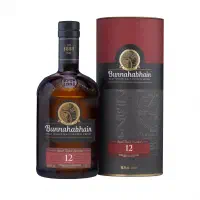
Bunnahabhain 12 Year Old
12 years · 46.3% ABV · 70cl
from £46.50 5 retailers
£51.00 delivered
Save up to £3.00
Compare prices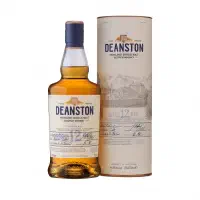
Deanston 12 Year Old
12 years · 46.3% ABV · 70cl
from £39.00 4 retailers
£43.99 delivered
Save up to £5.95
Compare prices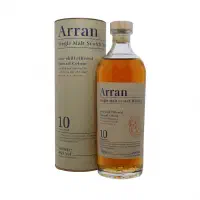
Arran 10 Year Old
10 years · 46.0% ABV · 70cl
from £43.95 5 retailers
£49.00 delivered
Save up to £5.55
Compare prices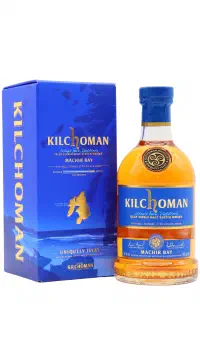
Kilchoman Machir Bay
46.0% ABV · 70cl
from £45.95 4 retailers
£51.90 delivered
Save up to £8.60
Compare prices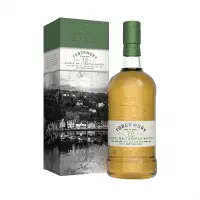
Tobermory 12 Year Old
12 years · 46.3% ABV · 70cl
from £42.00 4 retailers
£46.99 delivered
Save up to £5.95
Compare pricesHow to run your own cloud test at home
Tom: “Want to see chill filtration in action? Pour 25ml of an NCF whisky (such as Bunnahabhain 12 or Arran 10) into a clear glass. Add 10ml of chilled fridge water or a single ice cube. Within thirty seconds, the liquid will turn hazy. That haze is the good stuff: pure, natural flavour oils precipitating out. Sit back, take a sip, and enjoy the texture.”
Questions
Which Scotch distilleries never chill-filter their whisky?
Is chill filtration harmful or illegal?
Does chill filtration remove flavour or just texture?
About the author
