Independent whisky bottlers guide: how they work, secret distilleries, and top names
What an independent bottler is, why they bottle at higher specs, how teaspooning and secret distillery names work, and the best IB houses.
When you walk into a specialist whisky shop, you will notice the shelves divide into two distinct worlds. On one side are the familiar, gleaming corporate packages from the major brands: Glenlivet, Macallan, Talisker, and Laphroaig.
On the other side sits an intriguing array of uniform bottles with apothecary-style labels, handwritten cask numbers, unfamiliar names like Signatory Vintage, Gordon & MacPhail, and Douglas Laing, and obscure distilleries you have never heard of.
Welcome to the world of independent bottlers (affectionately known as IBs). For seasoned whisky enthusiasts, independent bottlers are the lifeblood of Scotch: the gateway to unrepeatable single casks, silent distilleries, and cask-strength releases unencumbered by corporate marketing.
What is an independent bottler?
John: “An official bottling (or OB) is produced, matured, and marketed by the brand owner of the distillery. If Diageo bottles a Lagavulin 16, that is an official bottling.
An independent bottler does not own the distillery where the spirit was made. Instead, they buy casks from distilleries or brokers. They might buy mature 15-year-old casks ready for immediate release, or they might buy fresh new-make spirit and age it in their own bonded warehouses for twenty years in their own hand-picked sherry or wine casks. Once mature, they bottle it under their own independent label.”
Tom: “Think of it like an independent record label releasing unreleased studio bootlegs and acoustic live sessions from your favourite rock band. The corporate label gives you the polished, radio-friendly album track; the independent label gives you the raw, uncut studio recording.”
Why do distilleries sell their casks to independent bottlers?
If a single malt is profitable, why would a distillery sell its precious liquid to third parties?
John: “History and cash flow. Historically, 90% of all single malt produced in Scotland was never intended for single malt bottles: it was distilled to provide filler malt for blended Scotch (such as Johnnie Walker, Dewar’s, and Famous Grouse). Distilleries regularly traded casks with rival blenders to secure the blending stock they needed.
Selling surplus new-make spirit to independent merchants also provided instant cash flow to cover the staggering costs of barley, energy, and labour without waiting twelve years for the whisky to mature. While big brands today guard their stock more tightly, cask trading remains an essential part of Scottish distilling economics.”
Why whisky enthusiasts buy independent bottlings
Tom: “Independent bottlers consistently offer higher technical specifications at fairer prices than official releases:
- Higher strength and zero chill filtration: While corporate releases are frequently diluted to 40% ABV and chill-filtered for mass-market shelves, IBs almost always bottle at 46% ABV, 50% ABV, or natural cask strength, completely non-chill filtered and natural colour.
- Access to blend-only workhorses: Scotland has dozens of world-class distilleries (such as Linkwood, Teaninich, Dailuaine, Benrinnes, and Glenlossie) that almost never appear as official single malts because their production is swallowed by blends. IBs are the only way to taste these magnificent single malts on their own merits.
- True single-cask transparency: Labels tell you the exact cask type, distillation date, bottling date, and bottle number.”
Secret distilleries and the mystery of “teaspooning”
If you browse independent bottlings, you will occasionally spot labels that refuse to name the distillery, declaring only “Secret Speyside 2008” or “Orkney Single Malt 12 Year Old”.
John: “Brand protection. Distilleries like Glenfiddich, Balvenie, and Highland Park do not want independent bottlers trading on their multi-million-pound brand equity. Their contracts legally forbid the buyer from printing the distillery trademark on the label.
To legally guarantee that an independent bottler can never call the spirit a ‘single malt’, some distillers practice ’teaspooning’. Before the cask leaves the distillery gates, the cellar master adds a literal teaspoon of another single malt into the barrel. Under the Scotch Whisky Regulations 2009, combining malt whiskies from two different distilleries legally reclassifies the liquid as a Blended Malt, meaning the bottler cannot call it a Single Malt and cannot use the famous distillery name on the label.”
Famous teaspooned pseudonyms to know:
- Burnside: 99.9% Glenfiddich with a teaspoon of Balvenie.
- Wardhead: 99.9% Balvenie with a teaspoon of Glenfiddich.
- Westport: 99.9% Glenmorangie with a teaspoon of Glen Moray.
The great independent bottling houses
A few legendary independent houses have shaped Scotch whisky history for over a century:
- Gordon & MacPhail (Elgin, 1895): The undisputed royalty of independent bottling. In the mid-twentieth century, when distilleries only cared about blends, G&M single-handedly saved the single malt category by aging and releasing official-style malts for Glenlivet, Macallan, Mortlach, and Strathisla.
- Cadenhead’s (Campbeltown, 1842): Scotland’s oldest independent bottler, famous for its unadorned, black-and-white labels and uncompromising cask-strength single casks.
- Signatory Vintage (Pitlochry, 1988): Renowned for their decanter-style bottles, meticulous warehouse records, and ownership of Edradour distillery.
- Douglas Laing (Glasgow, 1948): Masters of regional blended malts (Big Peat for Islay, Scallywag for Speyside, Rock Island for the Islands, Timorous Beastie for the Highlands).
- Berry Bros. & Rudd (London, 1698): Britain’s oldest wine and spirits merchant, bottling exceptional single casks from St James’s Street.
In-stock independent bottlings to explore
Here are five outstanding independent bottlings available in our catalogue:
Ledaig 12 Year Old (Gordon & MacPhail Discovery Series): £49.95 at The Whisky Shop. Heavily peated single malt from Tobermory distillery on Mull, matured in first-fill sherry casks. 43% ABV.
- John’s technical analysis: “G&M pairs the medicinal, rubbery coastal peat smoke of Ledaig with rich European oak sherry wood. An extraordinary demonstration of curated maturation.”
- Tom’s tasting note: “Dark bonfire ash, sticky dried prunes, dark cocoa, and sea salt. Intense and deeply satisfying.”
Miltonduff 10 Year Old (Gordon & MacPhail Discovery Series): £48.00 at The Whisky Shop. First-fill sherry cask Speyside malt, bottled at 43% ABV.
- John’s technical analysis: “Miltonduff is a core blending component for Ballantine’s. G&M’s bottling reveals its sweet, floral malt profile cloaked in warm Spanish sherry oak.”
- Tom’s tasting note: “Cinnamon toast, stewed apples, and creamy toffee. Pure Speyside comfort in a glass.”
Rock Island Blended Malt (Douglas Laing): £34.95 at Hard To Find Whisky. A maritime marriage of single malts from Islay, Arran, Jura, and Orkney, bottled at 46.8% ABV, non-chill filtered.
- Tom’s verdict: “The ultimate coastal malt showcase. Peat smoke, sea spray, honeyed barley, and cracked pepper without an ounce of cosmetic tampering.”
- John’s technical note: “Small-batch married by Douglas Laing in Glasgow. An accessible masterclass in regional malt blending.”
The Gauldrons Blended Malt (Douglas Laing): £32.00 at Loch Fyne Whiskies. Campbeltown blended malt inspired by the storm-swept Gauldrons bay, bottled at 46.2% ABV.
- Tom’s verdict: “Campbeltown funk at an accessible price. Salty ocean spray, sweet honeycomb, and a pleasant waxy smoke.”
- John’s technical note: “Combines single malts distilled in the historic burgh of Campbeltown, matured with natural colour.”
Berry’s 12 Year Old Sherry Cask Matured: £49.00 at The Whisky Shop. Single malt selected by Berry Bros. & Rudd, matured in seasoned sherry wood. 44.2% ABV.
- John’s technical note: “Cask-selected by London’s oldest merchant. Rich dried fruit esters and oak tannins balanced by clean malt spirit.”
- Tom’s tasting note: “Figs, dark chocolate shavings, and spiced orange peel. Classic British wine-merchant refinement.”
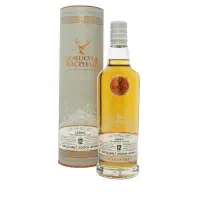
Ledaig 12 Year Old Gordon & MacPhail Discovery Series
12 years · 43.0% ABV · 70cl
from £49.95 3 retailers
£54.94 delivered
Compare prices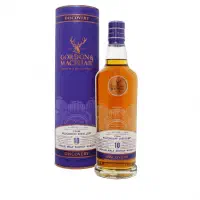
Miltonduff 10 Year Old Gordon & MacPhail Discovery Series
10 years · 43.0% ABV · 70cl
from £48.00 3 retailers
£52.99 delivered
Save up to £1.95
Compare prices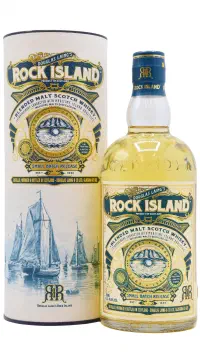
Rock Island Blended Malt
46.8% ABV · 70cl
from £34.95 3 retailers
£40.90 delivered
Save up to £7.05
Compare prices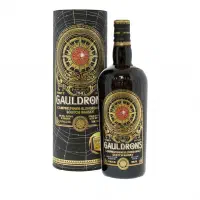
The Gauldrons Blended Malt
46.2% ABV · 70cl
from £32.00 3 retailers
£37.99 delivered
Save up to £15.95
Compare prices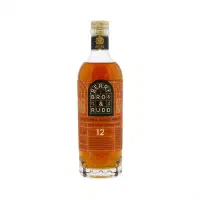
Berry's 12 Year Old Sherry Cask Matured Single Malt Whisky
12 years · 45.3% ABV · 70cl
from £49.00 2 retailers
£53.99 delivered
Compare pricesHow to shop independent bottlers
Tom: “When shopping IBs, look at the back label. It should tell you four things: the distillery (or region), the cask type, whether it is non-chill filtered, and whether it has natural colour. If all four check out, you are holding a dram that offers genuine craft and character that mass-market brands simply cannot replicate.”
Questions
What is the difference between an independent bottler and an official distillery bottling?
Why do independent bottlers sometimes hide the distillery name?
Do independent bottlers own their own distilleries?
About the author
