Japanese whisky standards and distilleries: JSLMA rules, true Japanese whisky, and fake blends
How the JSLMA standards protect Japanese whisky, why bulk imported Scotch was used, what makes authentic distilleries, and Mizunara oak.
Over the past two decades, Japanese whisky has transformed from an obscure curiosity into one of the most celebrated and fiercely collected spirit categories on the planet. Bottles that sold for £40 in 2005 now command hundreds or thousands of pounds at auction.
With that meteoric rise came a darker reality: a Wild West of misleading labelling, imported foreign bulk spirit disguised in faux-traditional washi paper, and deceptive marketing that left consumers paying premium prices for spirits that never spent a single day maturing in Japan.
Thankfully, new industry standards have finally arrived. Here is how to navigate the modern Japanese whisky landscape, spot authentic distilleries, and understand the magic of Mizunara oak.
The historical loophole: why imported Scotch became “Japanese whisky”
John: “To understand why Japanese labelling became so confusing, you have to look at Japanese tax law. Historically, the Liquor Tax Act of Japan did not require whisky to be distilled or matured in Japan to be sold as ‘Japanese whisky’. Even worse, domestic regulations permitted spirits containing as little as 10% genuine whisky mixed with 90% neutral alcohol or shochu to be sold domestically as whisky.
For decades, Japanese drinks conglomerates legally imported thousands of barrels of bulk Scotch grain whisky and Canadian rye across the Pacific, blended it in Japanese bottling facilities, printed a bottle covered in kanji calligraphy, and sold it to unsuspecting global consumers as authentic Japanese whisky.”
Tom: “Imagine if someone bought cheap bulk wine from across the Mediterranean, bottled it in Kent with a picture of Big Ben on the label, and legally sold it worldwide as ‘English Sparkling Wine’. The wine world would riot. In Japan, that was standard commercial practice for thirty years.”
The turning point: the JSLMA standards
To protect the hard-won global reputation of genuine Japanese craft, the Japan Spirits & Liqueurs Makers Association (JSLMA) enacted voluntary industry labelling standards in February 2021. Following a multi-year transition period, these rules became fully binding on association members on 1 April 2024.
Under the JSLMA standard, to carry the label “Japanese Whisky” (or Nihon Whisky), a bottle must meet five strict conditions:
- Raw ingredients: Raw grains must be limited to malted cereals (alongside other cereal grains), and the water must be extracted directly from sources within Japan.
- Production locality: Saccharification, fermentation, and distillation must be conducted at a licensed distillery situated in Japan.
- Distillation limit: Distilled at less than 95% ABV off the stills (preserving grain character).
- Maturation: Matured in wooden casks (capacity not exceeding 700 litres) in Japan for a minimum of three years.
- Bottling: Bottled in Japan at a minimum strength of 40% ABV, with plain caramel colouring (E150a) as the only permitted additive.
If a bottle fails even one of these criteria, JSLMA member companies are strictly forbidden from calling it “Japanese Whisky”, using Japanese geographical names, or evoking Japanese flags on the packaging.
Genuine Japanese distilleries vs “World Whiskies”
Today, transparent producers clearly label their bottles so consumers know exactly what they are buying:
1. 100% Authentic Japanese Whiskies
Distilled, matured, and bottled entirely in Japan according to JSLMA rules:
- Suntory: Yamazaki (Japan’s oldest malt distillery, founded 1923), Hakushu (mountain forest distillery), Hibiki (blended malt and grain), Chita (single grain).
- Nikka: Yoichi (Hokkaido, traditional direct coal-fired pot stills), Miyagikyo (Sendai, steam-heated stills).
- Craft pioneers: Chichibu (founded by Ichiro Akuto in Saitama), Mars Shinshu, Kanosuke (Kagoshima), Shizuoka, Sakurao.
2. “World Whiskies” (transparency in blending)
Some of Japan’s most beloved releases contain imported foreign malt blended with Japanese spirit. Rather than misleading consumers, responsible distillers now transparently label them as “World Blended Whisky”:
- Nikka From The Barrel & Nikka Days: Nikka openly discloses that these iconic releases incorporate imported Scottish malt from their own Ben Nevis distillery alongside Miyagikyo and Yoichi malts. They are delicious, award-winning whiskies, but they are not 100% Japanese whisky under JSLMA rules.
- Ichiro’s Malt & Grain (White Label): Blends Chichibu single malt with barrels sourced from Scotland, Ireland, the USA, and Canada.
The magic of Mizunara oak (Quercus mongolica)
Tom: “Ask any bartender what makes Japanese whisky taste unique, and they will point straight to Mizunara oak. It is the signature aroma of Japanese distilling.”
John: “Mizunara is indigenous Japanese oak from Hokkaido and northern Honshu. Cooperage coopers historically avoided it because the wood is soft, knotty, prone to leaking, and difficult to shape into barrels. Distillers only turned to Mizunara during the Second World War when American and European oak imports were cut off.
What they discovered over decades was extraordinary. Mizunara staves are packed with distinctive wood lactones and vanillin. After fifteen to twenty years of slow maturation, it infuses the spirit with aromas of sandalwood, sweet agarwood, Japanese temple incense, coconut, and oriental spices. It is a sensory profile found nowhere else in the whisky kingdom.”
In-stock Japanese whiskies to taste
Here are four benchmark Japanese bottles from our catalogue that showcase the craft:
Yamazaki 12 Year Old: £120.00 at Loch Fyne Whiskies. Suntory’s flagship single malt, bottled at 43% ABV. 100% JSLMA compliant.
- John’s technical analysis: “Matured in a marriage of American oak, Spanish Oloroso sherry casks, and rare Japanese Mizunara oak. The soft Kyoto water creates a remarkably clean, elegant malt profile.”
- Tom’s tasting note: “Peach, candied pineapple, spiced marmalade, and delicate sandalwood incense. Pure, layered liquid silk.”
Hakushu Distiller’s Reserve: £64.95 at Hard To Find Whisky. Single malt distilled in the alpine forests of Mount Kaikoma, bottled at 43% ABV.
- John’s technical analysis: “Hakushu sits high in the Japanese Southern Alps. Uses soft, snow-melt mountain water and includes a proportion of lightly peated malt alongside white oak ex-bourbon casks.”
- Tom’s tasting note: “Pine needles, green melon, mint leaf, and delicate wisps of clean herbal smoke. Incredibly refreshing in a Highball.”
Hibiki Japanese Harmony: £75.95 at Hard To Find Whisky. Suntory’s masterclass blend, presented in a 24-faceted bottle representing the Japanese solar seasons. 43% ABV.
- Tom’s verdict: “One of the world’s most beautifully balanced blended whiskies. Rose petals, lychee, white chocolate, and sweet orange peel.”
- John’s technical note: “A blend of malt whiskies from Yamazaki and Hakushu married with grain whisky from Chita, matured across five different wood types including sherry and Mizunara.”
Nikka Days: £37.99 at Tyndrum Whisky. Vibrant world blended whisky created for effortless everyday sipping, bottled at 40% ABV.
- Tom’s verdict: “Designed for highballs. Fresh apple slices, vanilla sponge, lemon blossom, and a gentle cereal sweetness. Crisp and approachable.”
- John’s technical note: “Marries slightly peated Miyagikyo malt with Coffey grain whisky and imported Scottish stock. Exceptional blending craftsmanship at an accessible price.”
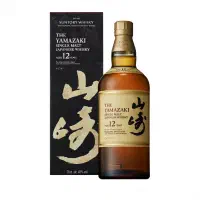
Yamazaki 12 Year Old
12 years · 43.0% ABV · 70cl
from £120.00 4 retailers
£120.00 delivered
Save up to £17.95
Compare prices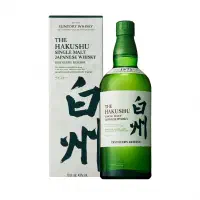
Hakushu Distiller's Reserve
43.0% ABV · 70cl
from £64.95 5 retailers
£70.90 delivered
Save up to £8.04
Compare prices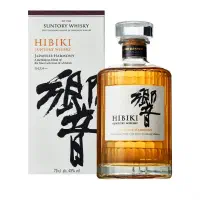
Hibiki Japanese Harmony
43.0% ABV · 70cl
from £75.95 4 retailers
£81.90 delivered
Save up to £3.80
Compare prices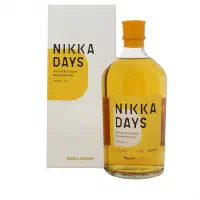
Nikka Days
40.0% ABV · 70cl
from £37.99 5 retailers
£42.49 delivered
Save up to £7.01
Compare pricesHow to drink Japanese whisky: the highball ritual
Tom: “In Tokyo or Osaka, order a whisky in an izakaya and it will almost certainly arrive as a Mizuwari (whisky and cold water) or a pristine Highball. Japanese bartenders treat the Highball with Zen-like precision: one part chilled whisky, three parts crisp soda water, poured gently over a hand-carved column of clear ice, stirred exactly thirteen and a half times with a long barspoon. It highlights the floral, delicate aromatics of Japanese malt without overpowering the palate at dinner.”
Questions
What are the official JSLMA rules for Japanese whisky?
Why is aged Japanese whisky so expensive in the UK?
What flavours does Mizunara oak impart to whisky?
About the author
