Scotland's whisky regions explained: Speyside, Highlands, Islay, Lowland, and Campbeltown
The five legally protected Scotch whisky regions, what each region tastes like, the status of the Islands, and why regional rules have evolved.
If you have ever picked up a book on Scotch whisky, you were almost certainly introduced to Scotland as a neat patchwork map of flavour. Speyside means gentle orchard fruit and sweet sherry; Islay means medicinal peat smoke; the Lowlands mean light grassy citrus; and Campbeltown means salty coastal funk.
For over a century, geographical regions served as the primary compass for whisky drinkers. But in modern Scotland, with distilleries experimenting with exotic cask finishes, peated malts in Speyside, and unpeated malts on Islay, does geography still dictate what ends up in your glass?
Here is the legal reality of Scotland’s five whisky regions, what each area is historically famous for, and why the old regional dogmas are evolving.
The legal map: the 5 protected Scotch localities
John: “In the eyes of the law, Scotland is not divided by flavour; it is divided by historical excise boundaries. Under Regulation 10 of the Scotch Whisky Regulations 2009, there are exactly five protected regional designations:
- Speyside: The densely clustered basin around the River Spey.
- Highland: Everything north of the Highland line running from the Clyde estuary to Stonehaven, including all Scottish islands except Islay.
- Lowland: Everything south of the Highland boundary line down to the English border.
- Islay: The small, peat-rich Hebridean island off the west coast of Argyll.
- Campbeltown: The historic royal burgh at the tip of the Kintyre peninsula.”
Tom: “Notice who is missing: the Islands. Marketers love treating Skye, Orkney, Mull, Jura, and Arran as a magical sixth region. But legally, Talisker on Skye and Highland Park on Orkney are Highland single malts. ‘Islands’ is a convenient marketing umbrella for coastal whiskies, not a protected legal region.”
Decoding the 5 regions: flavour profiles and benchmarks
1. Speyside: the orchard and sherry heartland
- Distillery count: 50+ active malt distilleries (over half of Scotland).
- The landscape: Lush, fertile valleys fed by the rapid, clean waters of the River Spey and River Livet.
- Classic flavour profile: Ripe green apples, sweet pears, heather honey, vanilla sponge cake, and, in European oak bottlings, rich dried fruit and Christmas cake spices.
- Famous names: Glenfiddich, The Balvenie, The Glenlivet, The Macallan, Aberlour, Glenfarclas.
2. Islay: the capital of coastal peat smoke
- Distillery count: 9 active distilleries (and counting).
- The landscape: Windswept, storm-lashed Atlantic island dominated by extensive, ancient peat bogs.
- Classic flavour profile: Pungent medicinal peat smoke, seaweed, TCP, diesel oil, damp ash, and ocean brine.
- Famous names: Ardbeg, Laphroaig, Lagavulin, Bowmore, Caol Ila, Port Charlotte.
3. The Highlands: heather, coastal cliffs, and diversity
- Distillery count: 30+ distilleries spanning vast territory.
- The landscape: Rugged mountains, heather moors, coastal fishing towns, and exposed outer islands.
- Classic flavour profile: Tremendous regional diversity: floral, honeyed heather in the Central Highlands; wax, sea salt, and maritime oil along the northern coastlines (Clynelish, Old Pulteney); and gentle, aromatic island peat in Orkney (Highland Park).
- Famous names: Glenmorangie, Dalmore, Talisker, Clynelish, Oban, Highland Park.
4. The Lowlands: grass, cream, and gentle elegance
- Distillery count: 15+ distilleries (experiencing a major modern craft revival).
- The landscape: Rolling farmland, gentle hills, and proximity to Edinburgh and Glasgow.
- Classic flavour profile: Light, fresh-cut grass, lemon zest, sweet cream, toasted almonds, and ginger, traditionally distilled to a lighter proof or triple-distilled.
- Famous names: Auchentoshan, Glenkinchie, Bladnoch, Daftmill, Holyrood.
5. Campbeltown: the historic Victorian whisky metropolis
- Distillery count: 3 historic survivors (Springbank, Glen Scotia, Glengyle).
- The landscape: Isolated coastal burgh at the tip of the Kintyre peninsula, once home to over thirty bustling distilleries in the nineteenth century.
- Classic flavour profile: Oily, industrial funk: engine oil, sea brine, salted caramel, damp warehouse dunnage, and subtle peat smoke.
- Famous names: Springbank, Longrow, Hazelburn, Glen Scotia, Kilkerran.
Do regions still matter today? The modern crossover
John: “A century ago, regions genuinely dictated flavour because distillers were bound to hyper-local raw materials: local barley, local water, local peat, and local transport butts.
Today, virtually all Scottish distilleries source their malted barley from central commercial maltings like Simpsons or Bairds. Water comes through modern municipal reservoirs or protected boreholes. Most importantly, cask selection (first-fill bourbon barrels from Kentucky, Oloroso butts from Jerez, virgin French oak, or wine barriques) exerts a far more powerful influence on final flavour than which side of a river the stillhouse sits on.”
Tom: “You can no longer assume geography equals flavour:
- Want an unpeated, fruity, coastal malt from Islay? Pour a Bunnahabhain 12.
- Want heavily peated, smoky malt from Speyside? Pick up a peated Benriach or Benromach.
- Want a rich, dark sherry bomb from the Highlands? Taste a GlenDronach 12.
Regions remain an exceptional navigational roadmap for understanding Scottish history and heritage, but always let the cask type and peat level guide your palate.”
In-stock regional benchmarks to taste
Here are five benchmark single malts from our catalogue representing each of Scotland’s classic regions:
Glenfiddich 12 Year Old (Speyside): £38.99 at DrinkSupermarket.com. The benchmark Speyside profile, bottled at 40% ABV.
- Tom’s verdict: “Fresh pear drops, clean blossom honey, and vanilla. Crisp, gentle, and refreshing.”
Lagavulin 16 Year Old (Islay): £83.99 at DrinkSupermarket.com. The quintessential Islay aristocrat, bottled at 43% ABV.
- John’s technical note: “Sixteen years in refill oak softens 35 ppm barley phenols into regal lapsang souchong tea and pipe tobacco.”
Highland Park 18 Year Old (Highland / Orkney): £135.00 at Milroy's of Soho. Island single malt matured predominantly in first-fill sherry seasoned oak. 43% ABV.
- Tom’s verdict: “Wild heather honey, bitter orange marmalade, and gentle aromatic peat smoke. Elite complexity.”
Auchentoshan 12 Year Old (Lowland): £34.00 at The Whisky Shop. Triple-distilled Lowland single malt, bottled at 40% ABV.
- John’s technical note: “Triple distillation up to 81% ABV removes heavy oils, yielding bright tangerines, toasted almonds, and ginger.”
Glen Scotia 15 Year Old (Campbeltown): £69.95 at Hard To Find Whisky. Classic Campbeltown malt matured in American oak barrels, bottled at 46% ABV.
- Tom’s verdict: “Sea spray, salted caramel, ginger biscuits, and warm oak. Pure maritime character.”
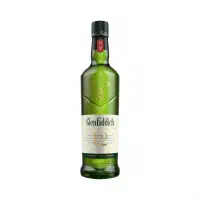
Glenfiddich 12 Year Old
12 years · 40.0% ABV · 70cl
from £38.99 5 retailers
£43.94 delivered
Save up to £7.01
Compare prices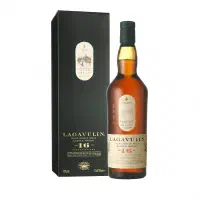
Lagavulin 16 Year Old
16 years · 43.0% ABV · 70cl
from £83.99 3 retailers
£88.94 delivered
Save up to £1.01
Compare prices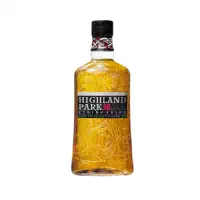
Highland Park 18 Year Old
18 years · 43.0% ABV · 70cl
from £135.00 1 retailer
£135.00 delivered
Compare prices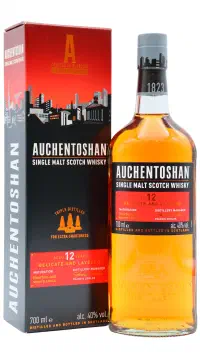
Auchentoshan 12 Year Old
12 years · 40.0% ABV · 70cl
from £34.00 3 retailers
£38.99 delivered
Save up to £4.95
Compare prices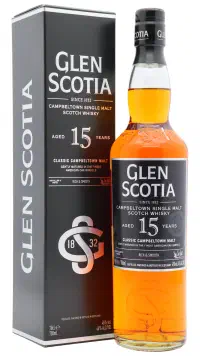
Glen Scotia 15 Year Old
15 years · 46.0% ABV · 70cl
from £69.95 4 retailers
£75.90 delivered
Save up to £4.04
Compare pricesSummary: how to navigate Scotland’s whisky map
Tom: “Use the regional map as a starting point, not a prison. If you love clean fruit, start in Speyside; if you love smoke and sea spray, head for Islay and the Islands; if you want crisp elegance, try the Lowlands. But never hesitate to wander across the borders.”
Questions
What are the five official Scotch whisky regions?
Why are the Scottish Islands not an official separate region?
Which Scotch whisky region produces the most whisky?
About the author
