Single cask whisky explained: single cask vs single barrel, outturns, and cask investment warnings
What single cask whisky means, how outturn and bottle numbers work, single cask vs single barrel, and crucial warnings on cask investment warnings.
In the world of whisky, consistency is usually the master blender’s greatest achievement. Whether you buy a standard 12-year-old single malt in Edinburgh, Tokyo, or New York, the blenders work tirelessly to ensure every bottle tastes identical to the last one you bought five years ago.
Single cask whisky throws that entire philosophy out of the window.
When you buy a single cask bottling, you are purchasing an unrepeatable snapshot in time: the spirit of one distillation run, matured in one specific oak barrel, resting in one exact corner of a warehouse. Once those few hundred bottles are consumed, that exact flavour profile is gone forever.
Single cask vs single malt: clearing up the confusion
Tom: “The number one misconception beginners have is confusing ‘single malt’ with ‘single cask’. If you buy a regular bottle of Glenfiddich 12 or Laphroaig 10, that is a single malt. But it was not poured out of one barrel. It was vatted together from hundreds of different barrels to create the house style. Single malt simply means single distillery.”
John: “Exactly. ‘Single cask’ (or ‘single barrel’ in American whiskey) means the contents of your bottle came from exactly one wooden container. No other liquid was added or blended in. Every bottle from that run will typically bear the specific cask number, distillation date, bottling date, and an individual bottle number alongside the total outturn (e.g. ‘Bottle 42 of 248’).”
Single cask vs single barrel: is there a difference?
Tom: “Grammar and geography, nothing more. American whiskey distilleries (such as Four Roses, Blanton’s, and Jack Daniel’s) use the term ‘Single Barrel’. Scottish and Irish producers use ‘Single Cask’. They mean the exact same thing: unblended liquid from a single wooden vessel.
In American bourbon, single barrels are especially thrilling because virgin charred oak barrels interact vigorously with high-temperature Kentucky summers. Two barrels filled on the exact same morning and aged on different floors of the same warehouse can taste completely distinct: one rich in spicy cinnamon and toasted leather, the other bursting with sweet vanilla custard and dark cherries.”
Outturn: how many bottles are in a cask?
A common question on single cask labels is the outturn: the total number of bottles produced. The outturn varies dramatically based on two factors: the original size of the cask and how many years it spent maturing.
| Cask type | Initial capacity | Average yield at 10–12 years (70cl) | Key characteristics |
|---|---|---|---|
| Ex-bourbon barrel | ~200 litres | 200–260 bottles | High wood contact, rapid extraction |
| Hogshead | ~250 litres | 260–330 bottles | Rebuilt from bourbon staves, balanced aging |
| Sherry butt | ~500 litres | 500–650 bottles | Large volume, slower oxidation, heavy oak |
| Sherry puncheon | ~500 litres | 500–640 bottles | Shorter, wider staves, dark fruit notes |
Every year a cask sleeps in a Scottish warehouse, it loses roughly 1.5% to 2% of its total liquid volume to evaporation through the porous staves (the famous Angel’s Share). An ancient 30-year-old barrel might yield fewer than 100 precious bottles.
In-stock single cask and single barrel bottles to compare
Here are standout single cask and single barrel releases from our catalogue:
Four Roses Single Barrel Bourbon: £48.99 at DrinkSupermarket.com. Premium Kentucky straight bourbon bottled at 50% ABV (100 proof) from individual barrels.
- Tom’s verdict: “Four Roses uses their high-rye Mash Bill B (35% rye) for this release. Each barrel is hand-selected. Plums, cherries, dark cocoa, and cracked black pepper. A benchmark for American single barrels.”
- John’s technical note: “Distilled in Lawrenceburg, Kentucky, using yeast strain V for delicate fruitiness. The 50% ABV delivers substantial body without hiding the herbal rye structure.”
Jack Daniel’s Single Barrel Select: £46.95 at Hard To Find Whisky. Hand-selected from the upper floors of the Lynchburg barrelhouses, bottled at 45% ABV.
- Tom’s verdict: “Forget standard Old No. 7. The Single Barrel Select is a completely different beast: toasted oak, rich caramel, banana bread, and warm spice.”
- John’s technical note: “Drawn from barrels situated in the rafters where extreme temperature swings drive the whiskey deep into the charred staves, accelerating wood extraction.”
Jack Daniel’s Single Barrel Rye: £69.99 at DrinkSupermarket.com. Tennessee rye whiskey drawn from single charred barrels, bottled at 45% ABV.
- Tom’s verdict: “Crafted from a 70% rye grain recipe, offering bold dried apple, clove, and sweet oak. Incredibly versatile in classic cocktails like the Manhattan.”
- John’s technical note: “Charcoal mellowed through ten feet of sugar maple before entering new white oak barrels.”
Connoisseurs Choice Glenrothes 2009 16 Year Old Single Cask: £140.00 at Loch Fyne Whiskies. Independent single cask Speyside malt bottled by Gordon & MacPhail from Cask #19602410.
- John’s technical note: “Distilled in 2009 and bottled in 2025 at natural cask strength from a single first-fill sherry butt. Only a few hundred bottles exist globally.”
- Tom’s verdict: “Intense dark chocolate, stewed plums, and polished mahogany. The purest expression of independent single cask luxury.”
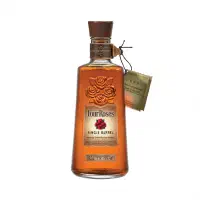
Four Roses Single Barrel Bourbon 70cl
50.0% ABV · 70cl
from £48.99 3 retailers
£53.94 delivered
Save up to £6.01
Compare prices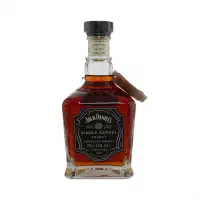
Jack Daniel's Single Barrel Select
45.0% ABV · 70cl
from £46.95 4 retailers
£52.90 delivered
Save up to £3.04
Compare prices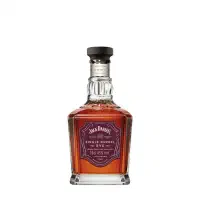
Jack Daniel's Single Barrel Rye
45.0% ABV · 70cl
from £69.99 3 retailers
£74.94 delivered
Save up to £4.01
Compare prices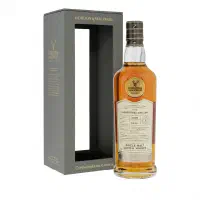
Connoisseurs Choice Glenrothes 2009 16 Year Old #19602410
16 years · 55.5% ABV · 70cl
from £140.00 2 retailers
£140.00 delivered
Compare pricesEssential warnings on whole-cask investment schemes
John: “We need to address the elephant in the room: whole-cask ownership. In recent years, aggressive marketing schemes and unsolicited cold callers have targeted the public, promising guaranteed annual returns of 15% to 20% on buying whole casks of Scotch whisky.
The reality is starkly different. Buying a retail bottle from an established single cask bottling is a joy. Buying an entire 200-litre cask as an armchair investment carries severe financial risks that promoters frequently conceal:
- Illiquidity and exit traps: There is no public stock exchange for single casks. When you want to sell, you cannot simply press a button. You must find a broker or another private buyer willing to pay your price.
- Evaporation and regauging fees: Every year, your cask loses alcohol and volume to the Angel’s Share. If a cask drops below the legal minimum of 40% ABV, it ceases to be Scotch whisky legally and its commercial value collapses. You must pay bonded warehouse storage fees, insurance fees, and regular regauging costs to monitor the liquid.
- The tax trap upon bottling: If you decide to bottle your cask, you will face an enormous tax bill. You must pay UK spirits excise duty (£33.99 per litre of pure alcohol) plus 20% VAT on the entire valuation, alongside dry goods, bottling line, and labelling fees.”
Tom: “If you want to enjoy single cask whisky, buy it by the bottle from reputable independent bottlers and enjoy the liquid in your glass. Leave the commercial warehouse logistics to the professionals.”
Questions
What is the difference between single malt and single cask?
How many bottles does a single cask of whisky yield?
Who releases single cask whiskies in the UK?
About the author
