Spirit caramel (E150a) in whisky: why it is added, labelling laws, and natural colour
Why distilleries add caramel colouring (E150a) to Scotch, what the law says in the UK and Germany, and which single malts are 100% natural colour.
Few topics in the whisky world trigger fiercer debates than the tiny, dark droplet known as E150a.
Pour two glasses of Scotch single malt side by side. One glows with a deep, radiant mahogany hue that looks like fifty years of wood aging in a dimly lit warehouse. The other is a pale, shimmering straw. Most casual shoppers will instinctively reach for the darker bottle, assuming it is richer, older, and superior.
In many cases, that rich amber tone did not come from thirty years in an ancient Spanish sherry butt. It came from an industrial bottle of caramel food colouring added five minutes before the bottling line started running.
What actually is spirit caramel (E150a)?
John: “Spirit caramel (Class I caramel or E150a) is an approved food additive made by the controlled heating of food-grade carbohydrates (typically glucose or sucrose derived from corn or wheat). Unlike culinary dessert caramel, it is heated to very high temperatures without using ammonium or sulphite compounds.
Chemically, it is an inert, dark brown, water-soluble liquid with an intense tinting power. Under Regulation 3(1) of the Scotch Whisky Regulations 2009, Scotch whisky may not contain any added substances whatsoever, with exactly two exceptions: water and plain caramel colouring (E150a).”
Tom: “Notice the contrast with other spirit categories. Under US federal law (27 CFR § 5.143), straight bourbon legally forbids any added colouring or flavouring: what you see in a bottle of Maker’s Mark or Buffalo Trace is 100% oak and grain. In Scotland, blenders are legally permitted to paint the liquid.”
Why do Scotch distilleries add it?
Distillers give two primary justifications for adding E150a:
1. Batch consistency
A major commercial single malt or blended Scotch sells millions of bottles globally every year. Casks are organic: even within the same warehouse, some casks impart pale golden hues while others give dark copper. If two bottles of the same 12-year-old brand sit side by side on a supermarket shelf with noticeably different colours, nervous consumers often suspect one bottle is counterfeit or spoiled. Blenders use microscopic doses of E150a to ensure every bottle looks identical worldwide.
2. Marketing and perceived age
Tom: “The darker a spirit looks, the more premium consumers assume it is. If a distillery relies heavily on third-fill or fourth-fill refill bourbon barrels (where the wood sugars and colour have already been extracted by previous fillings), an eight or ten-year-old whisky can look remarkably pale. Adding a dash of caramel transforms a washed-out spirit into an enticing golden dram that commands a higher shelf presence.”
Does caramel colouring affect flavour?
John: “Blenders and the Scotch Whisky Association adamantly maintain that E150a is flavour-neutral at the parts-per-million levels used in whisky. In a standard 70cl bottle, the amount of caramel required to adjust shade is tiny: often just a few drops.
However, if you taste pure, undiluted E150a spirit caramel, it is intensely bitter, acrid, and metallic. Many experienced tasters and distillers argue that even small concentrations introduce a faint, astringent bitterness on the back of the tongue and flatten subtle cereal notes. Whether you can taste it or not, the philosophical objection remains: whisky enthusiasts want the authentic result of distillation and oak maturation, not an artificial cosmetic disguise.”
How to spot it: the German label trick
In the UK and North America, distillers are not legally required to disclose the presence of E150a. A bottle with artificial caramel can simply declare “Scotch Whisky” and say nothing more.
John: “If you want to know whether a brand uses caramel, look at its German export bottling. Under German consumer protection law (§ 9 of the Additives Admission Ordinance), any spirit sold in Germany containing caramel colouring must explicitly state ‘mit Farbstoff’ (with colouring) on the label. If a Scotch brand is ‘mit Farbstoff’ in Berlin, it contains the exact same caramel in London, Edinburgh, and New York.”
Bottles that avoid caramel will proudly state “Natural Colour” or “No Added Colour” on their packaging.
In-stock natural colour whiskies to explore
Here are five benchmark single malts from our catalogue produced with 100% natural colour:
Glengoyne 10 Year Old: £39.99 at DrinkSupermarket.com. Highland single malt matured in European and American oak sherry casks, bottled at 40% ABV.
- John’s technical analysis: “Glengoyne takes an unpeated malt dried purely by warm air, distilled at the slowest rate in Scotland, and matured exclusively with natural colour. Its warm golden hue comes entirely from seasoned sherry wood.”
- Tom’s tasting note: “Fresh green apples, toffee popcorn, and sweet cereal. Clean, bright, and completely unvarnished.”
Glenfarclas 12 Year Old: £49.90 at Tyndrum Whisky. Family-owned Speyside classic matured exclusively in Oloroso sherry casks. 43% ABV.
- John’s technical analysis: “Direct-fired copper pot stills produce a robust spirit that ages in traditional dunnage warehouses in Ballindalloch. Glenfarclas has maintained a strict natural colour stance for decades.”
- Tom’s tasting note: “Gingercake, dried raisins, and polished oak. What genuine Speyside sherry maturation looks and tastes like.”
Glendronach 12 Year Old: £52.50 at Tyndrum Whisky. Matured in Spanish Pedro Ximénez and Oloroso sherry casks, bottled at 43% ABV.
- John’s technical analysis: “Famous for its natural deep copper tone. The rich color is the genuine result of twelve years absorbing pigments from first-fill Spanish sherry staves.”
- Tom’s tasting note: “Dark bramble berries, spiced hazelnuts, and marmalade on toast. A benchmark natural-colour sherry bomb.”
Deanston 12 Year Old: £39.00 at The Whisky Shop. Highland single malt matured in ex-bourbon casks, bottled at 46.3% ABV.
- John’s technical analysis: “Showcases the natural pale lemon hue of authentic ex-bourbon maturation. Deanston pairs natural colour with non-chill filtration across its entire portfolio.”
- Tom’s tasting note: “Clover honey, soft malt, and lemon curd. Proof that a pale whisky can deliver richer texture than a dark caramelised one.”
Kilchoman Machir Bay: £45.95 at Hard To Find Whisky. Farm distillery single malt from Islay, bottled at 46% ABV.
- John’s technical analysis: “Matured in 90% ex-bourbon barrels and 10% Oloroso sherry butts, bottled without artificial colouring or chill filtration.”
- Tom’s tasting note: “Ashy peat smoke, sea spray, and ripe tropical fruit with a natural golden sheen.”
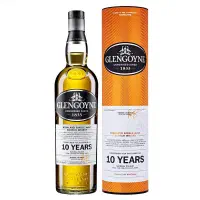
Glengoyne 10 Year Old
10 years · 40.0% ABV · 70cl
from £39.99 1 retailer
£44.94 delivered
Compare prices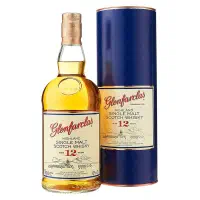
Glenfarclas 12 Year Old
12 years · 43.0% ABV · 70cl
from £49.90 2 retailers
£54.40 delivered
Save up to £5.09
Compare prices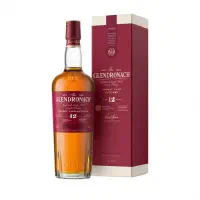
Glendronach 12 Year Old
12 years · 43.0% ABV · 70cl
from £52.50 3 retailers
£57.00 delivered
Save up to £3.50
Compare prices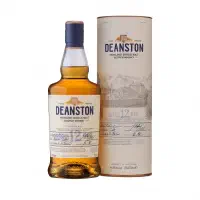
Deanston 12 Year Old
12 years · 46.3% ABV · 70cl
from £39.00 4 retailers
£43.99 delivered
Save up to £5.95
Compare prices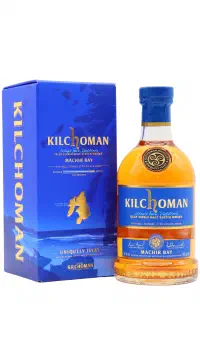
Kilchoman Machir Bay
46.0% ABV · 70cl
from £45.95 4 retailers
£51.90 delivered
Save up to £8.60
Compare pricesThe verdict on colour
Tom: “Don’t judge a dram by its darkness. A pale straw malt from an active refill bourbon cask can be vastly more complex, vibrant, and rewarding than a dark mahogany bottle laden with food dye. Look for ‘Natural Colour’ on the label, trust your palate rather than your eyes, and enjoy the true craft of the cooper.”
Questions
Which Scotch distilleries never add caramel colour?
Does dark colour indicate an older whisky?
Why do German whisky labels say 'mit Farbstoff'?
About the author
