Sherry casks in whisky: seasoning, oak types, and flavour
How sherry casks are made and seasoned in Jerez, the difference between Oloroso and Pedro Ximénez, and what sherry wood adds to Scotch.
If you pick up a bottle of Scotch boasting “sherry cask matured” on its label, you might picture an antique oak barrel that spent fifty years resting in a sun-drenched Andalusian bodega before making a leisurely sea voyage to the Scottish Highlands.
It is a romantic image. It is also almost entirely untrue.
Virtually every modern sherry cask used in the Scotch whisky industry is a custom-engineered vessel, purpose-built in Spanish cooperages and seasoned with sherry wine specifically to order for Scotch distillers. Understanding how those casks are made, which oak is chosen, and whether the wood held bone-dry Oloroso or syrupy Pedro Ximénez is the key to knowing what you are actually buying in the bottle shop.
The death of the transport butt: how sherry casks actually work
John: “A century ago, sherry arrived in Britain in wooden shipping casks called transport butts. Once the wine was bottled in London or Bristol, Scottish blenders snapped up the empty, wine-soaked casks for next to nothing. But in 1986, the Consejo Regulador (the governing body of the Jerez Denominación de Origen) introduced new export rules requiring all sherry to be bottled in the Jerez region. Transport butts vanished almost overnight.”
Tom: “Which meant Scotch distillers faced a sudden crisis: no cheap shipping barrels. Rather than abandoning sherried whisky, the Scottish industry had to build an entire bespoke supply chain from scratch in Spain. Today, Scottish distilleries commission their own casks directly from cooperages in Jerez, Montilla, and Galicia.”
John: “Exactly. Distillers pay cooperages to build fresh casks, which are then filled with certified sherry wine (usually Oloroso) for twelve to twenty-four months purely to season the wood. Once seasoned, the wine is decanted (often distilled into sherry brandy or vinegar), and the emptied casks are shipped north to Scotland. You are not buying an antique solera cask; you are buying an engineered extraction vessel.”
American oak vs European oak: the wood beneath the wine
The type of oak matters just as much as the wine that seasoned it. Distillers choose between two distinct oak species, each yielding radically different flavour profiles:
1. European oak (Quercus robur)
- Origins: Northern Spain, Galicia, or France.
- Character: Coarser grain, richer in bitter tannins, gallic acid, and wood polyphenols.
- Flavour profile: Dried fruit (figs, dates, dark raisins), bitter dark chocolate, clove, nutmeg, and dry leather.
- Where to find it: The traditional backbone of classic “sherry bombs” like GlenDronach and older Macallan releases.
2. American oak (Quercus alba)
- Origins: Eastern United States, coopered in Spain.
- Character: Denser grain, rich in vanillin and sweet oak lactones.
- Flavour profile: Sweet vanilla custard, milk chocolate, toasted coconut, candied orange peel, and softer fruit notes.
- Where to find it: Increasingly favoured by distillers who want rich sherry fruitiness without drying, astringent oak tannins.
Oloroso vs Pedro Ximénez: decoding the sherry styles
Tom: “Coming from a background of mixing drinks and tinkering with vermouths and rums, the difference between sherry types is night and day. You would never swap dry vermouth for sweet syrup in a cocktail, and distillers treat Oloroso and Pedro Ximénez with the same precision.”
John: “Let’s look at the two dominant sherry styles used in Scottish warehouses:
- Oloroso: A dry, fortified wine subjected to oxidative aging. Because it matures without a protective flor yeast layer, the wine turns dark brown and develops deep nutty, savoury notes. When Scotch enters an Oloroso butt, it absorbs walnuts, dried tobacco, roasted chestnuts, and dark Seville marmalade. It finishes dry and structured rather than sugary.
- Pedro Ximénez (PX): The polar opposite. White Pedro Ximénez grapes are picked and dried in the blazing sun on straw mats to concentrate their sugars into a viscous raisin paste. The wine is thick, syrupy, and unctuously sweet. PX casks impart sticky black treacle, dates, chocolate fudge, and prune compote. Because it is so concentrated, distillers rarely mature spirit in PX for its entire lifespan; it is almost always deployed as a finishing cask for twelve to eighteen months.”
Full maturation vs finishing: what is on the label?
Not all sherry casks touch whisky in the same way. When reading a label, look for the distinction between full maturation and finishing:
- Full sherry maturation: The new-make spirit spends 100% of its barrel life in sherry wood (typically butts of 500 litres or puncheons). These whiskies develop dense mahogany color, heavy oiliness, and layered spice.
- Sherry cask finish (or “double wood”): The whisky matures for eight to fourteen years in standard ex-bourbon barrels (giving honey, malt, and vanilla) before being transferred into a fresh sherry butt for six to twenty-four months. This introduces a top coat of red fruit and spice without overpowering the underlying distillery profile.
In-stock sherried whiskies to explore
Here are five benchmark whiskies from our catalogue that showcase how sherry oak transforms malt spirit:
Glendronach 12 Year Old: £52.50 at Tyndrum Whisky. Matured in a marriage of Spanish Oloroso and Pedro Ximénez sherry casks. 43% ABV, natural colour.
- John’s technical analysis: “Glendronach uses unpeated Highland malt and full maturation in both Oloroso and PX wood. The Oloroso provides hazelnut and leather structure, while the PX brings raisins and warm baking spices.”
- Tom’s tasting note: “Spiced brambles, orange peel, and rich milk chocolate. If you want the archetypal sherried Highland dram, this is where you start.”
Aberlour 12 Year Old: £42.95 at Hard To Find Whisky. Double cask matured in traditional oak and seasoned sherry casks. 40% ABV.
- John’s technical analysis: “Aberlour combines ex-bourbon casks with seasoned sherry wood, creating a balanced Speyside profile where green apple spirit esters sit comfortably alongside dried fruit.”
- Tom’s tasting note: “Soft red apples, cinnamon toast, and a gentle honey finish. Approachable, balanced, and great value for everyday sipping.”
Bushmills Black Bush: £32.99 at DrinkSupermarket.com. An Irish blend dominated by high-proportion malt aged in Oloroso sherry casks. 40% ABV.
- John’s technical analysis: “Contains up to 80% triple-distilled malt whiskey aged in first-fill Oloroso butts for around eight years, blended with light column-distilled grain whiskey.”
- Tom’s tasting note: “A bartender’s favourite secret weapon. Silky, rich fruitcake flavours that drink well neat or in an upgraded Highball.”
Bowmore 15 Year Old: £74.95 at Hard To Find Whisky. Matured in ex-bourbon casks before spending its final three years in Oloroso sherry butts. 43% ABV.
- John’s technical analysis: “Isle of Islay peat smoke (roughly 20 to 25 ppm) meets dark Oloroso oak. The three-year finishing window allows the dark fruit to marry deeply with the coastal brine.”
- Tom’s tasting note: “Smoky chocolate truffles, cedarwood, and sea salt. The combination of campfire smoke and dark sherry fruit is irresistible.”
Redbreast Lustau Edition: £64.99 at DrinkSupermarket.com. Single pot still Irish whiskey finished in first-fill Bodegas Lustau Oloroso butts. 46% ABV, non-chill filtered.
- John’s technical analysis: “Distilled from malted and unmalted barley in copper pot stills, giving thick pot still spice and creamy texture, finished for a full year in Lustau Oloroso wood.”
- Tom’s tasting note: “Creamy marzipan, Spanish fig rolls, toasted almonds, and ginger. One of the finest sherry-finished whiskeys in Europe.”
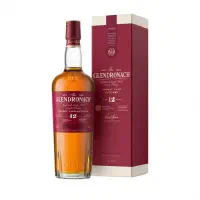
Glendronach 12 Year Old
12 years · 43.0% ABV · 70cl
from £52.50 3 retailers
£57.00 delivered
Save up to £3.50
Compare prices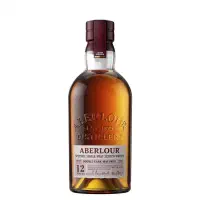
Aberlour 12 Year Old
12 years · 40.0% ABV · 70cl
from £42.95 4 retailers
£48.90 delivered
Save up to £6.04
Compare prices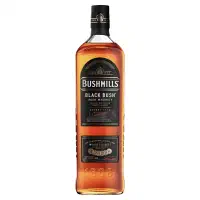
Bushmills Black Bush Irish Whiskey
40.0% ABV · 70cl
from £32.99 1 retailer
£37.94 delivered
Compare prices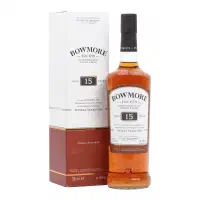
Bowmore 15 Year Old
15 years · 43.0% ABV · 70cl
from £74.95 3 retailers
£79.94 delivered
Save up to £9.05
Compare prices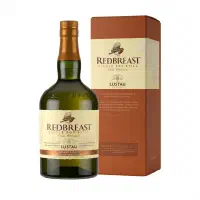
Redbreast Lustau
46.0% ABV · 70cl
from £64.99 3 retailers
£69.94 delivered
Save up to £8.01
Compare pricesWhy sherry cask whisky carries a price premium
John: “A standard American ex-bourbon barrel (200 litres) costs a Scottish distiller between £80 and £130. A newly coopered, certified 500-litre Spanish sherry butt costs anywhere from £800 to over £1,200. When you factor in the cost of high-grade European oak, transport from Spain, and the two-year wine seasoning lease, sherry wood represents a massive financial investment.”
Tom: “That cooperage cost naturally flows into the shelf price. But when executed with patience, the result is liquid luxury: deep dried fruit, complex wood tannins, and a velvety texture that plain wood can never replicate.”
Questions
Which distilleries specialise in sherry casks?
Does sherry cask whisky contain actual sherry wine?
Why are Pedro Ximénez casks usually used for finishing rather than full maturation?
About the author
