Cask strength whisky explained: proof, dilution, and how to drink it
What cask strength means on a label, why alcohol percentage varies by batch, how to add water, and why higher strength changes flavour.
When you first encounter a bottle of cask strength whisky sitting at 58% or 62% ABV, it is easy to view it with a degree of trepidation. Most high street spirits are neatly diluted to 40% or 43% ABV so they go down without a fight. A cask-strength dram can feel like stepping into a boxing ring without headgear.
The truth is much friendlier: cask strength is not an endurance test or a badge of machismo. It is simply whisky bottled in its purest, most adaptable state, giving you total control over how you drink it.
What does cask strength actually mean?
Tom: “In plain English: standard whisky is watered down at the bottling plant. When mature spirit is dumped from oak casks, it usually sits between 50% and 65% ABV. For ordinary supermarket releases, distillers add demineralised water to stretch the liquid into more bottles and lower the alcohol tax. Cask strength skips the tap. It goes straight from the wood through a mesh filter and into the glass.”
John: “Under the Scotch Whisky Regulations 2009, Scotch must be bottled at a minimum of 40% ABV, but there is no legal ceiling on strength. If a single cask finishes its maturation at 57.4% ABV, that exact figure is printed on the label. In American whiskey, you will frequently see the term ‘barrel proof’, which serves the identical purpose under US federal law.”
Why does ABV vary from batch to batch?
Have you ever noticed that batch 11 of your favourite cask-strength single malt is 58.6% ABV, while batch 12 is 57.1%?
John: “Whisky does not mature in a sealed laboratory. Oak is a porous organic membrane. In Scottish dunnage warehouses with earth floors and thick stone walls, humidity is consistently high (often 80% to 90%). In that moist environment, alcohol evaporates through the staves slightly faster than water, causing the spirit’s ABV to slowly decline by around 0.5% per year.
Contrast that with a multi-storey rackhouse in Kentucky, where dry summer heat causes water to evaporate faster than alcohol, causing the barrel proof to rise over time. Because every batch combines casks from different warehouse floors, wood types, and aging seasons, the resulting strength is never identical.”
How to drink cask strength whisky: the dilution progression
Tom: “Working with rum and cocktails taught me a fundamental rule: high alcohol numbs your tongue if you attack it recklessly. If you neck a 60% ABV malt in one gulp, your pain receptors fire, your salivary glands panic, and you taste nothing except hot ethanol. Treat it like an espresso, not a pint of lager.”
Here is our recommended three-step tasting method:
- The tiny exploratory sip: Pour a modest 25ml measure. Nose it from an inch away with your mouth slightly open (this lets the alcohol vapor bypass your nasal cavity). Take a microscopic drop onto the tip of your tongue to acclimatise your palate.
- The drop of water: Add three to four drops of room-temperature, low-mineral water using a pipette or teaspoon. Water breaks the surface tension of the spirit. Chemically, it forces volatile aroma compounds (guaiacol, fruit esters, and vanillin) to migrate to the surface of the glass, creating an immediate aromatic bloom.
- The personalised pour: If the heat is still prickling your gums, add another half-teaspoon. Bringing a 60% dram down to about 45% requires approximately one part water to three parts whisky. You are not ruining the whisky: you are blending it to your own exact preference.
In-stock cask strength bottles to explore
Here are four standout cask-strength bottles from our catalogue that demonstrate the breadth of the category:
Arran Sherry Cask The Bodega: £58.99 at Tyndrum Whisky. Bottled at a natural cask strength of 55.8% ABV, matured exclusively in first-fill Oloroso sherry butts from Jerez.
- Tom’s verdict: “A rich, vibrant sherry bomb. Big notes of dark chocolate cherries, ginger, and figs. At nearly 56% ABV, it carries the heavy Spanish oak effortlessly.”
- John’s technical note: “Distilled at Lochranza on the Isle of Arran. Non-chill filtered and natural colour. The higher proof prevents the dense first-fill sherry wood from feeling syrupy.”
Glenallachie 10 Year Old Cask Strength Batch 13: £68.99 at Tyndrum Whisky. Curated by master blender Billy Walker, bottled at natural batch strength.
- Tom’s verdict: “Thick and decadent. It smells like warm mocha brownies and sticky toffee pudding. A couple of drops of water open up sweet orange and cinnamon.”
- John’s technical note: “Matured in a combination of Pedro Ximénez and Oloroso sherry puncheons alongside virgin oak and Rioja wine barriques. A masterclass in high-strength wood management.”
Highland Park Cask Strength No.4: £59.95 at Hard To Find Whisky. Bottled at a robust 64.3% ABV from the Orkney distillery.
- Tom’s verdict: “Intense, coastal, and deeply warming. Wild heather honey meets subtle aromatic peat smoke. This is serious horsepower that benefits from a generous splash of water.”
- John’s technical note: “Mainly matured in first-fill sherry seasoned European and American oak casks, with a small proportion of refill casks. Bottled without chill filtration or artificial colouring.”
Maker’s Mark Cask Strength: £65.99 at DrinkSupermarket.com. Kentucky straight bourbon bottled uncut between 54% and 57% ABV.
- Tom’s verdict: “If you love sweet caramel, toasted vanilla, and spiced pastry, this wheated bourbon is magnificent. Smooth enough to sip neat, but holds up brilliantly in an Old Fashioned.”
- John’s technical note: “Distilled from Maker’s 70% corn, 16% soft red winter wheat, and 14% malted barley mash bill. Matured in charred new white oak barrels in Kentucky.”
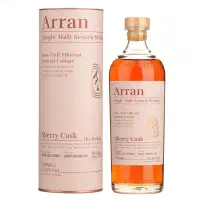
Arran Sherry Cask The Bodega
55.8% ABV · 70cl
from £58.99 4 retailers
£63.49 delivered
Save up to £15.01
Compare prices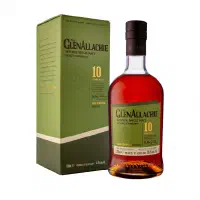
Glenallachie 10 Year Old Cask Strength Batch 13
10 years · 59.8% ABV · 70cl
from £68.99 3 retailers
£73.49 delivered
Save up to £6.01
Compare prices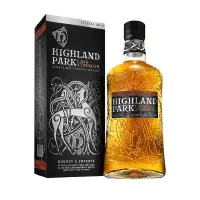
Highland Park Cask Strength No.4
64.3% ABV · 70cl
from £59.95 3 retailers
£64.99 delivered
Save up to £0.05
Compare prices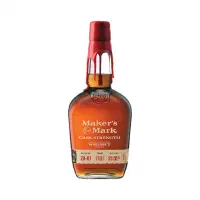
Maker's Mark Cask Strength
55.0% ABV · 70cl
from £65.99 3 retailers
£70.94 delivered
Save up to £15.01
Compare pricesWhy buy cask strength?
Tom: “Value and versatility. When you buy a 40% bottle, you are paying for water transported in glass. When you buy a 58% bottle, you are purchasing undiluted flavour concentrate that you can tailor to your own taste with a jug of tap water on your dining table.”
John: “And from a purist’s perspective, it gives you the authentic warehouse experience. You are tasting the liquid exactly as the distillery manager tastes it when pulling the wooden bung from the cask.”
Questions
What is the difference between cask strength and single cask?
How does UK excise duty affect cask strength whisky?
Is cask strength whisky always non-chill filtered?
About the author
