1770 Glasgow Peated
46.0% ABV · 70cl
from £51.00 3 retailers
£55.50 delivered
Save up to £2.00
Peated whisky gets its smoke from malted barley dried over peat. This page lists bottles labelled peated, from peated sub-brands, or from distilleries whose usual style is peated. Most peat tags here are inferred from house style, so check the bottle page rather than treating the tag as a label statement.
Islay names include Ardbeg, Laphroaig, Lagavulin and Octomore, but the list also includes Highland, Island, Irish and Indian whisky. A ppm figure measures phenols in the malt before distillation, not smoke in the glass. For a narrower list, see heavily peated whisky.
For the process, see Whiskipedia on peat in whisky. Prices are the best current in-stock offer from the UK retailers we check (how we compare prices).
98 bottles in stock, with the best current price from the UK retailers we check.
46.0% ABV · 70cl
from £51.00 3 retailers
£55.50 delivered
Save up to £2.00

10 years · 46.0% ABV · 70cl
from £45.00 4 retailers
£49.99 delivered
Save up to £2.50

46.6% ABV · 70cl
from £51.99 3 retailers
£56.94 delivered
Save up to £5.01

57.1% ABV · 70cl
from £74.95 5 retailers
£80.90 delivered
Save up to £8.05

70cl
from £108.99 2 retailers
£108.99 delivered
Save up to £41.01

48.3% ABV · 70cl
from £89.99 3 retailers
£94.94 delivered
Save up to £5.01

70cl
from £99.99 2 retailers
£99.99 delivered
Save up to £20.01

54.2% ABV · 70cl
from £69.99 3 retailers
£74.94 delivered
Save up to £5.01

15 years · 43.0% ABV · 70cl
from £74.99 2 retailers
£79.94 delivered
Save up to £9.01

25 years · 43.0% ABV · 70cl
from £399.00 3 retailers
£399.00 delivered
Save up to £100.99

59.1% ABV · 70cl
from £139.99 2 retailers
£139.99 delivered

57.9% ABV · 70cl
from £149.99 2 retailers
£149.99 delivered
Save up to £2.51
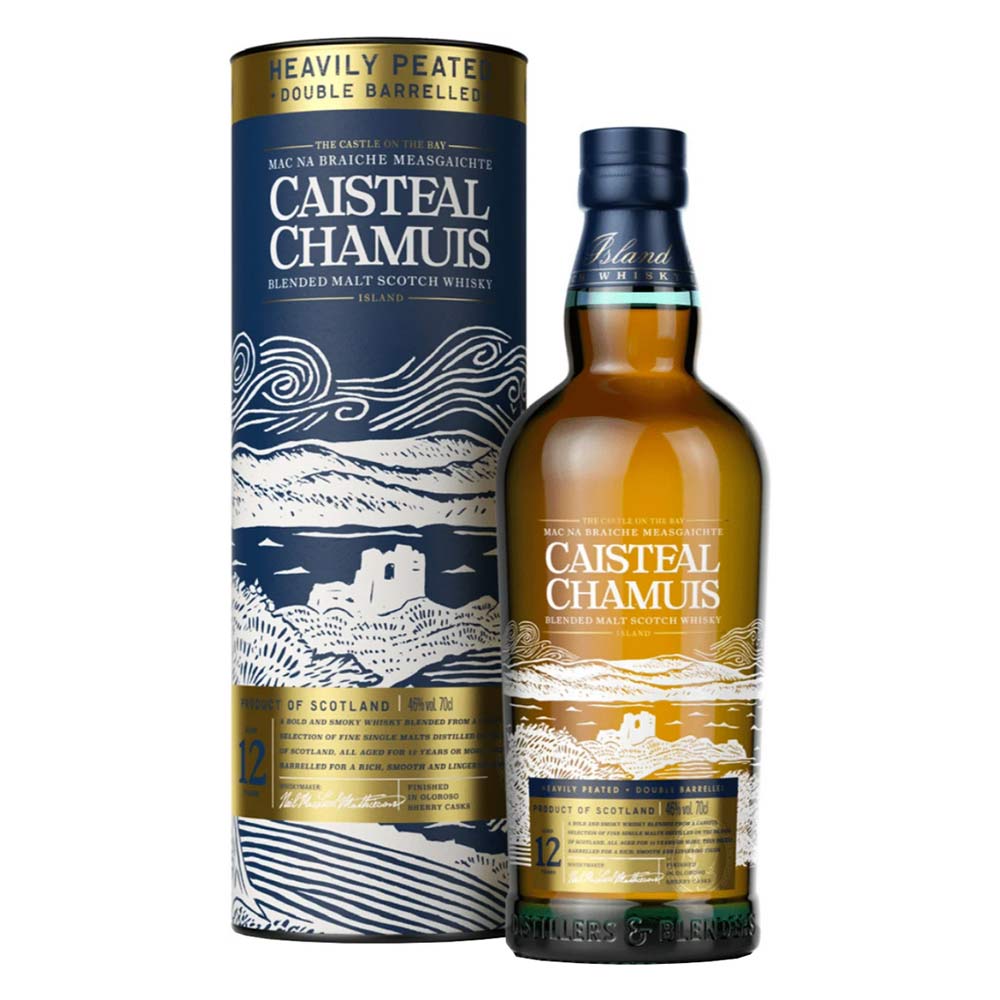
12 years · 46.0% ABV · 70cl
from £48.95 4 retailers
£53.45 delivered
Save up to £11.05

46.0% ABV · 70cl
from £49.99 3 retailers
£54.94 delivered
Save up to £14.01
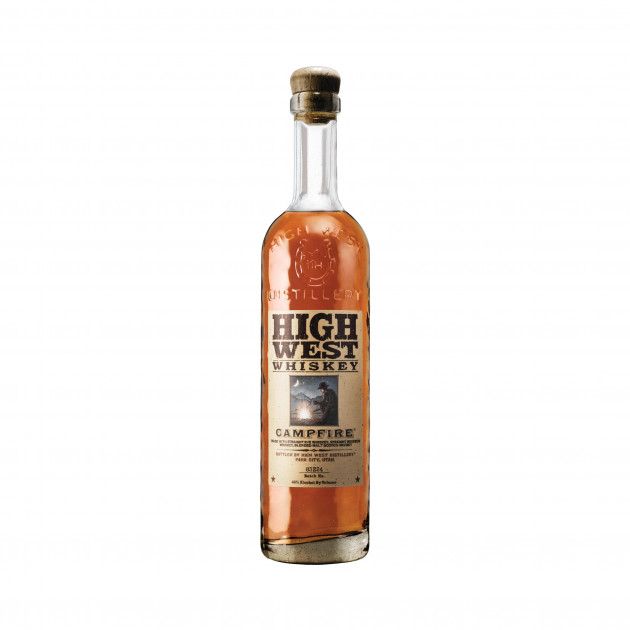
46.0% ABV · 70cl
from £79.00 3 retailers
£83.99 delivered
Save up to £0.99
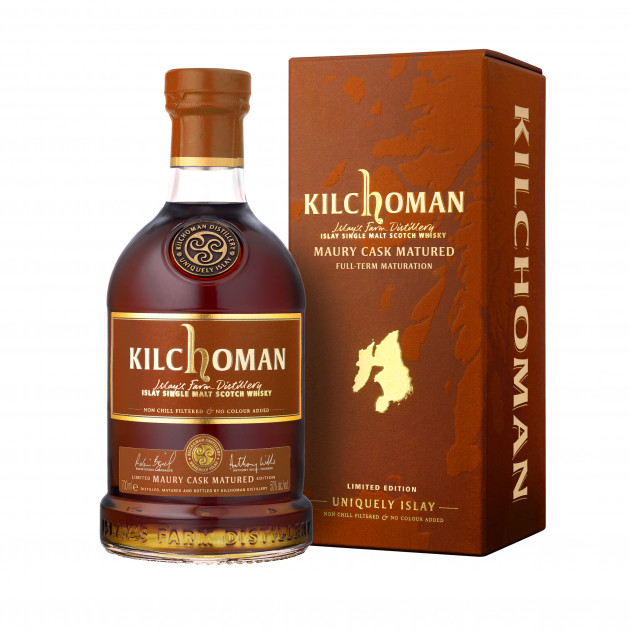
50.0% ABV · 70cl
from £69.95 3 retailers
£74.99 delivered
Save up to £0.05

16 years · 43.0% ABV · 70cl
from £83.99 3 retailers
£88.94 delivered
Save up to £1.01
9 years · 46.0% ABV · 70cl
from £99.95 2 retailers
£105.90 delivered
Save up to £80.05

10 years · 48.0% ABV · 70cl
from £49.95 4 retailers
£55.90 delivered
Save up to £10.04
25 years · 51.9% ABV · 70cl
from £420.00 2 retailers
£420.00 delivered
Save up to £229.95
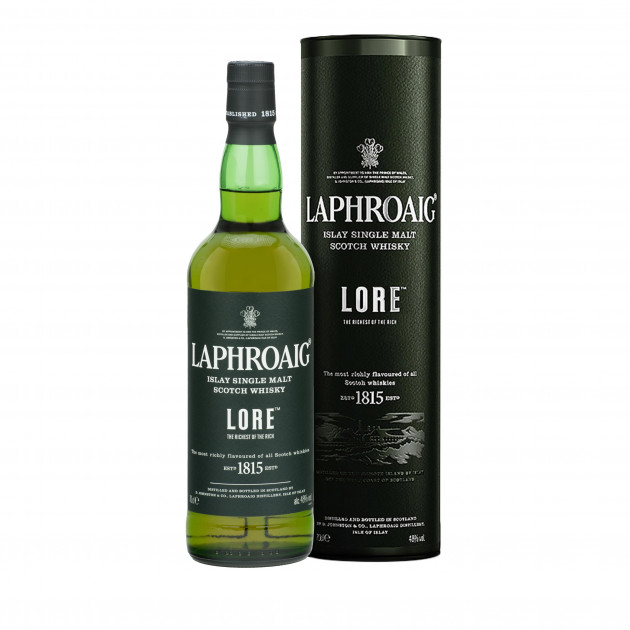
48.0% ABV · 70cl
from £69.00 2 retailers
£73.99 delivered
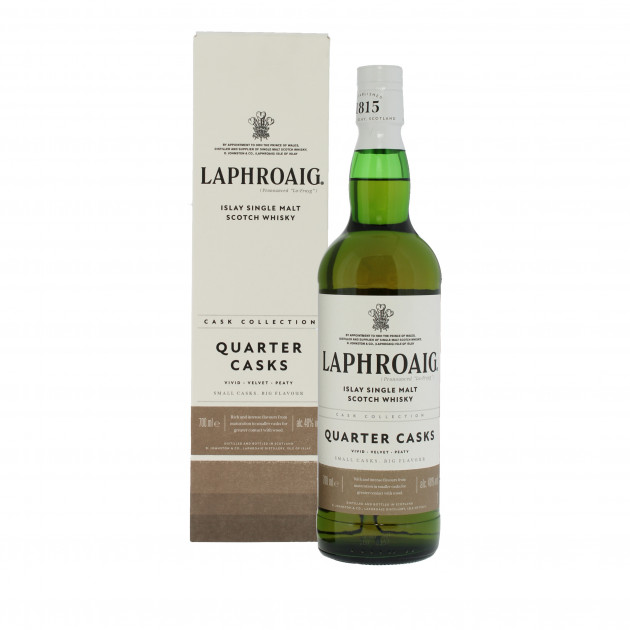
48.0% ABV · 70cl
from £47.00 3 retailers
£51.99 delivered
Save up to £0.99
10 years · 46.3% ABV · 70cl
from £40.00 4 retailers
£44.99 delivered
Save up to £7.95
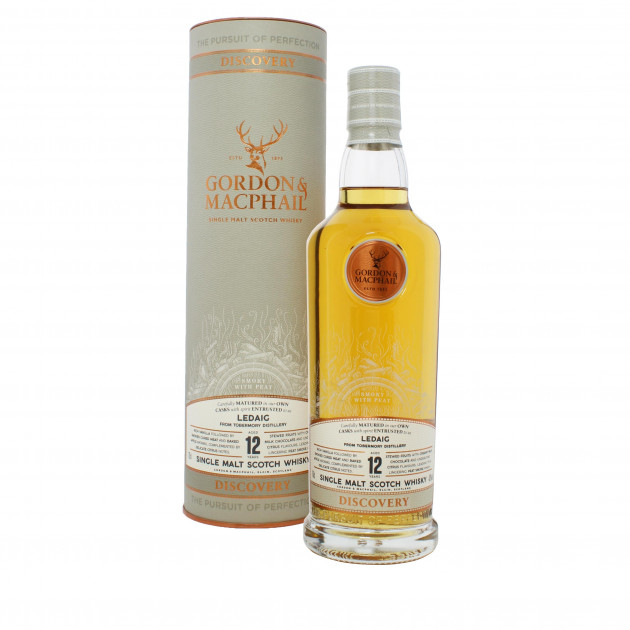
12 years · 43.0% ABV · 70cl
from £49.95 3 retailers
£54.94 delivered
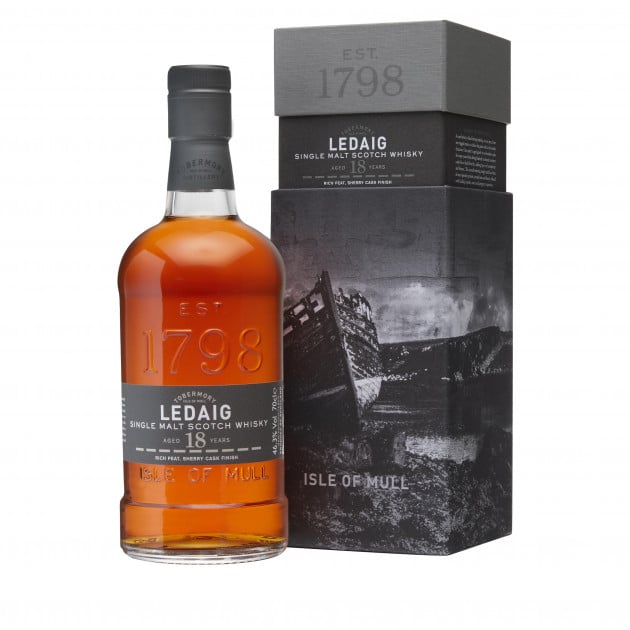
18 years · 46.3% ABV · 70cl
from £92.99 4 retailers
£97.49 delivered
Save up to £6.96
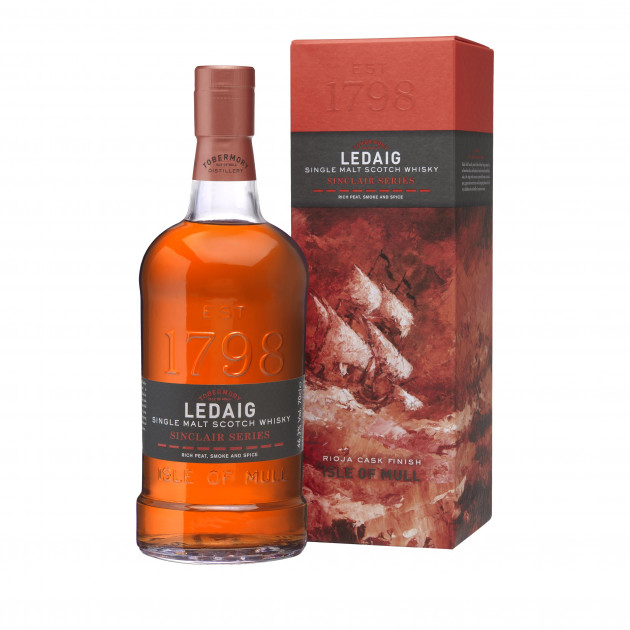
46.3% ABV · 70cl
from £42.95 3 retailers
£48.90 delivered
Save up to £3.05
12 years · 46.0% ABV · 70cl
from £42.00 3 retailers
£46.99 delivered
Save up to £2.95

10 years · 50.0% ABV · 70cl
from £57.99 4 retailers
£62.94 delivered
Save up to £11.01
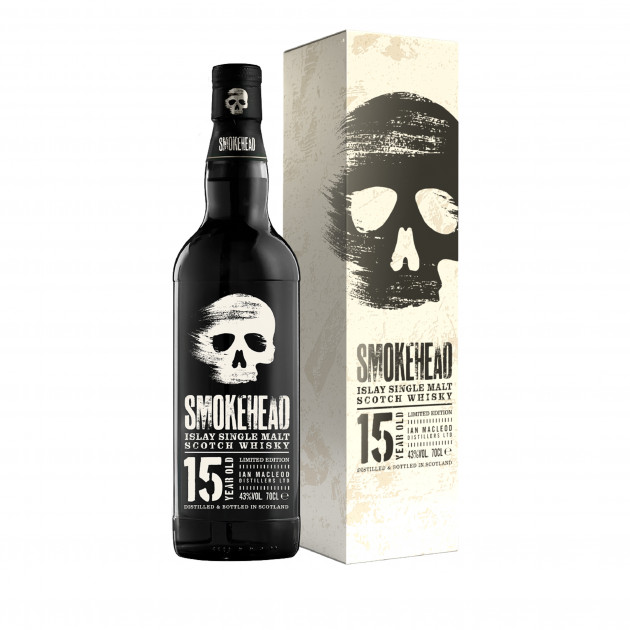
15 years · 43.0% ABV · 70cl
from £64.95 4 retailers
£70.90 delivered
Save up to £7.05
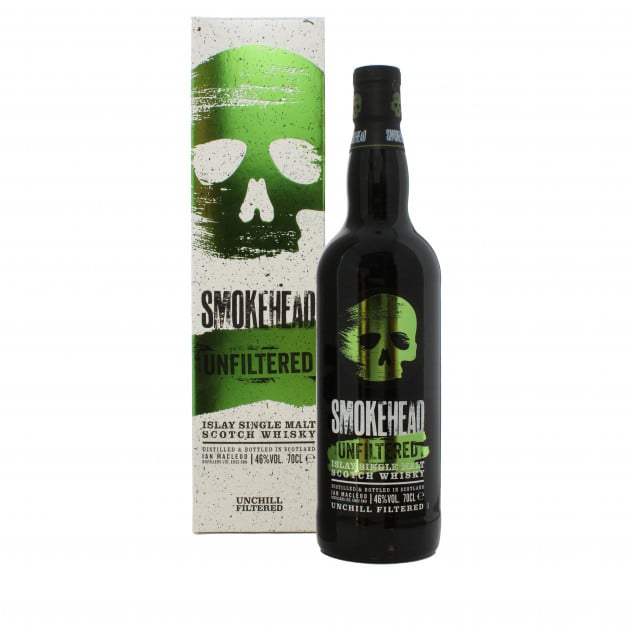
46.0% ABV · 70cl
from £39.95 3 retailers
£45.90 delivered
Save up to £11.05

10 years · 45.8% ABV · 70cl
from £42.45 4 retailers
£48.40 delivered
Save up to £7.54
10 years · 45.8% ABV · 20cl
from £26.00 2 retailers
£30.99 delivered
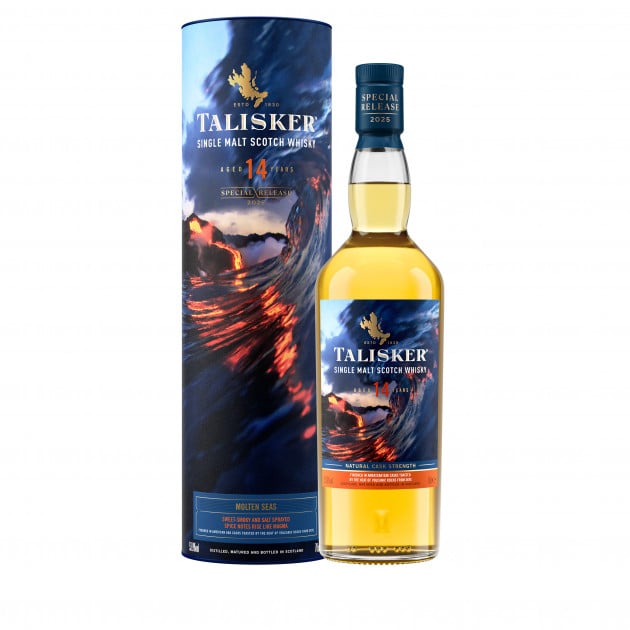
14 years · 53.9% ABV · 70cl
from £138.95 2 retailers
£138.95 delivered
Save up to £1.05
30 years · 49.6% ABV · 70cl
from £979.00 2 retailers
£979.00 delivered
Save up to £20.95
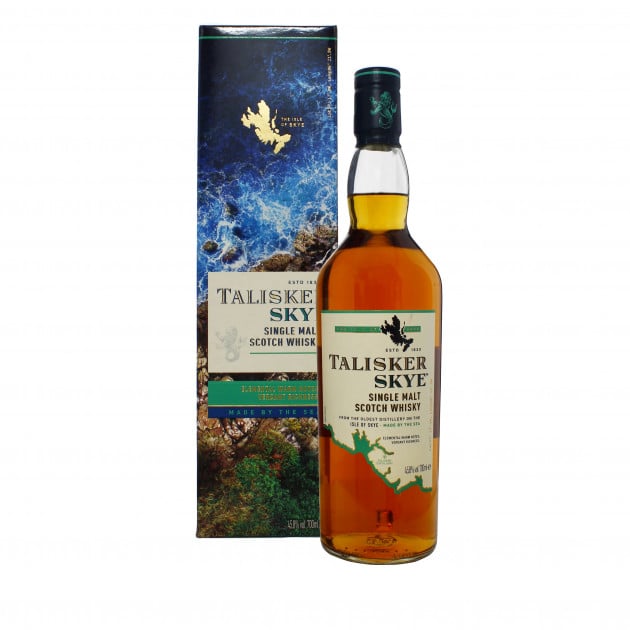
45.8% ABV · 70cl
from £48.95 3 retailers
£53.99 delivered
Save up to £0.05
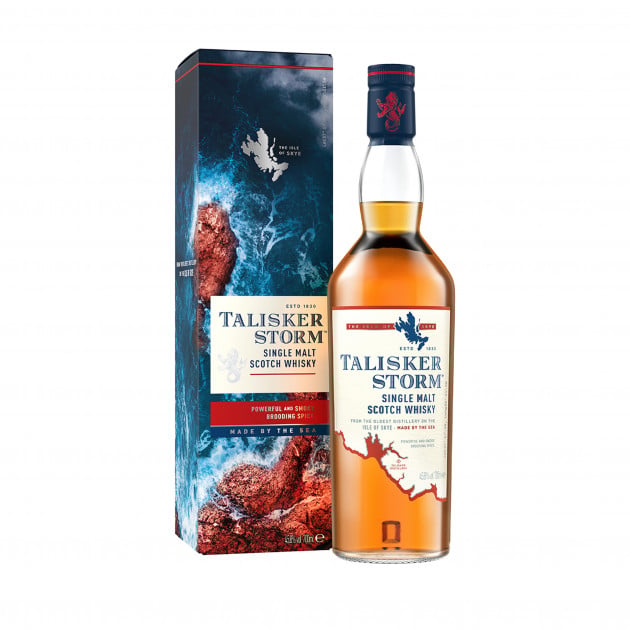
45.8% ABV · 70cl
from £49.00 3 retailers
£53.99 delivered
Save up to £5.95

14 years · 48.3% ABV · 70cl
from £83.99 3 retailers
£88.94 delivered
Save up to £8.01
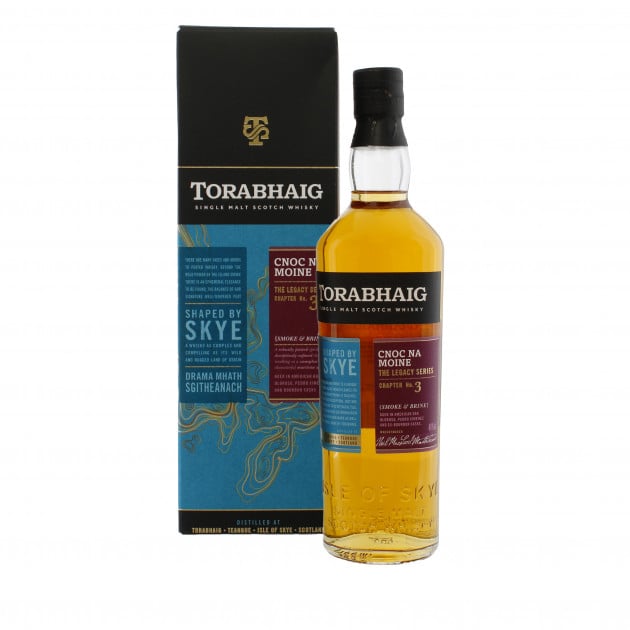
46.0% ABV · 70cl
from £58.00 4 retailers
£62.50 delivered
Save up to £16.00

46.0% ABV · 70cl
from £72.00 2 retailers
£76.50 delivered
Save up to £2.99
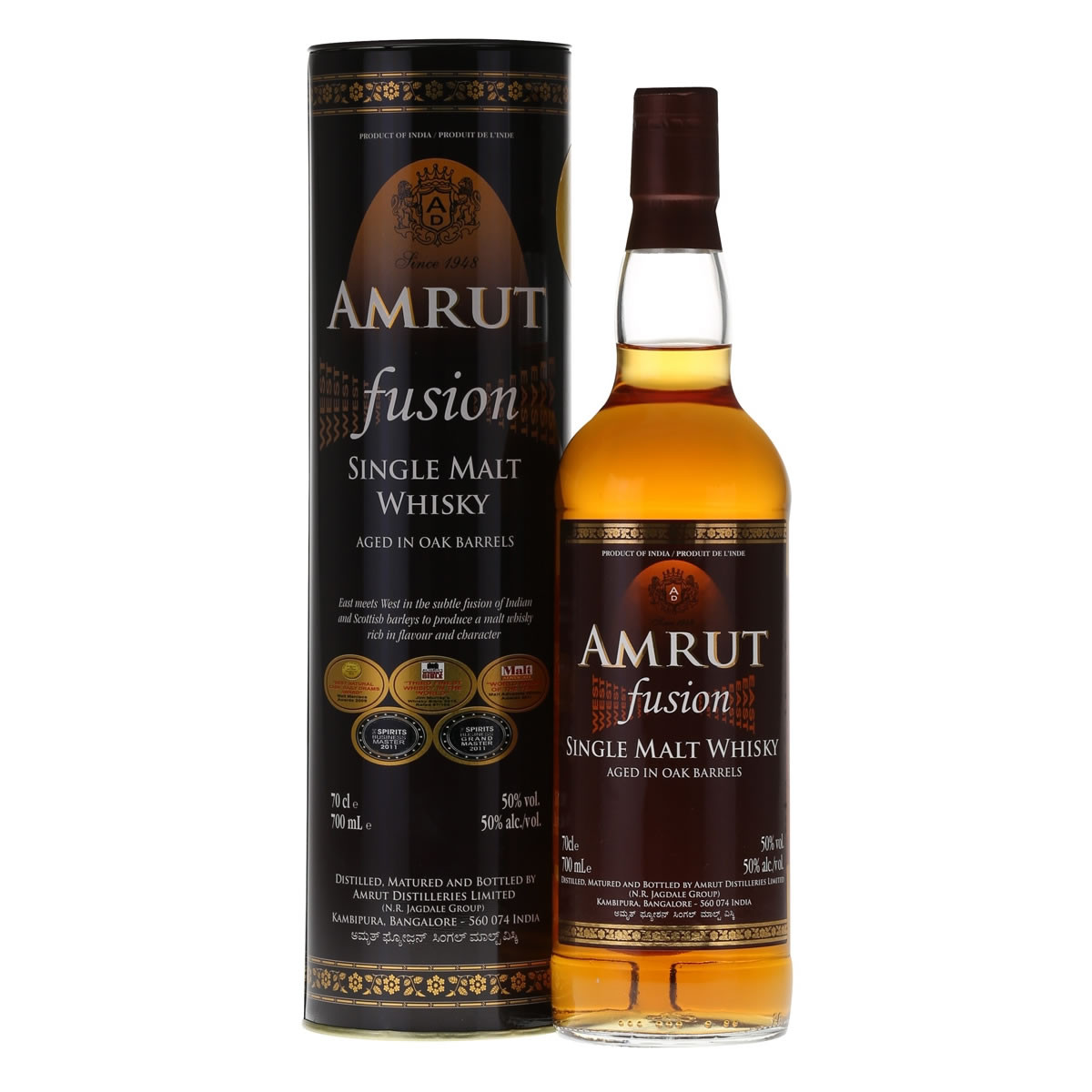
70cl
from £58.99 1 retailer
£63.94 delivered
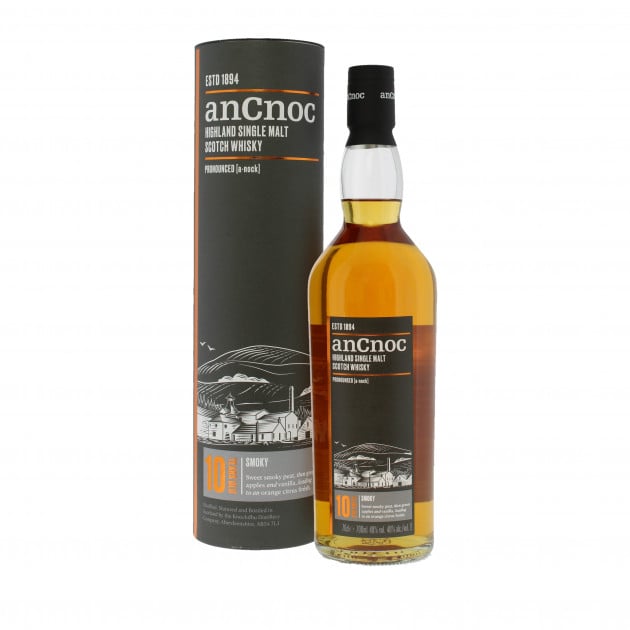
10 years · 40.0% ABV · 70cl
from £45.00 1 retailer
£49.99 delivered
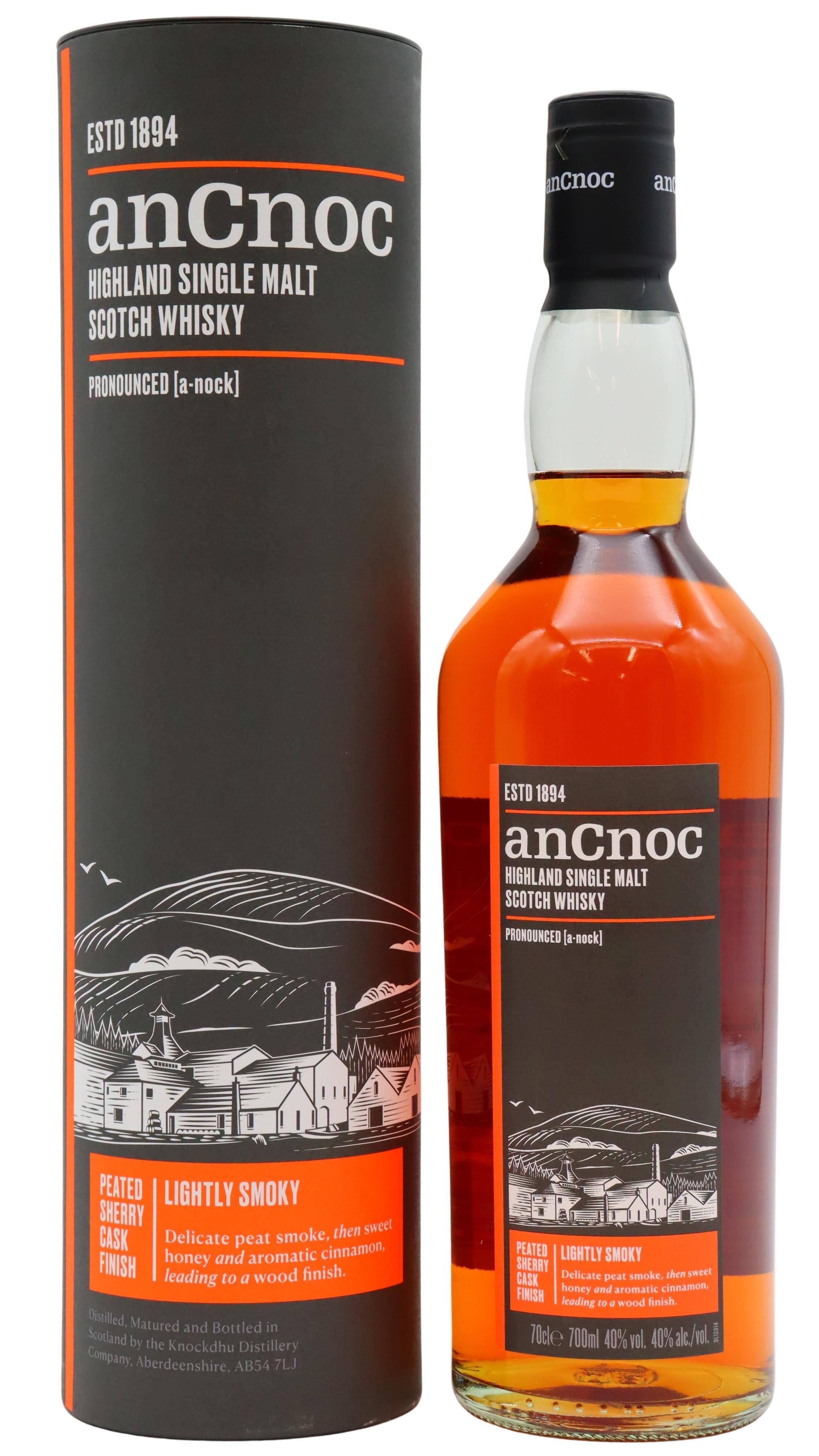
40.0% ABV · 70cl
from £43.95 1 retailer
£49.90 delivered
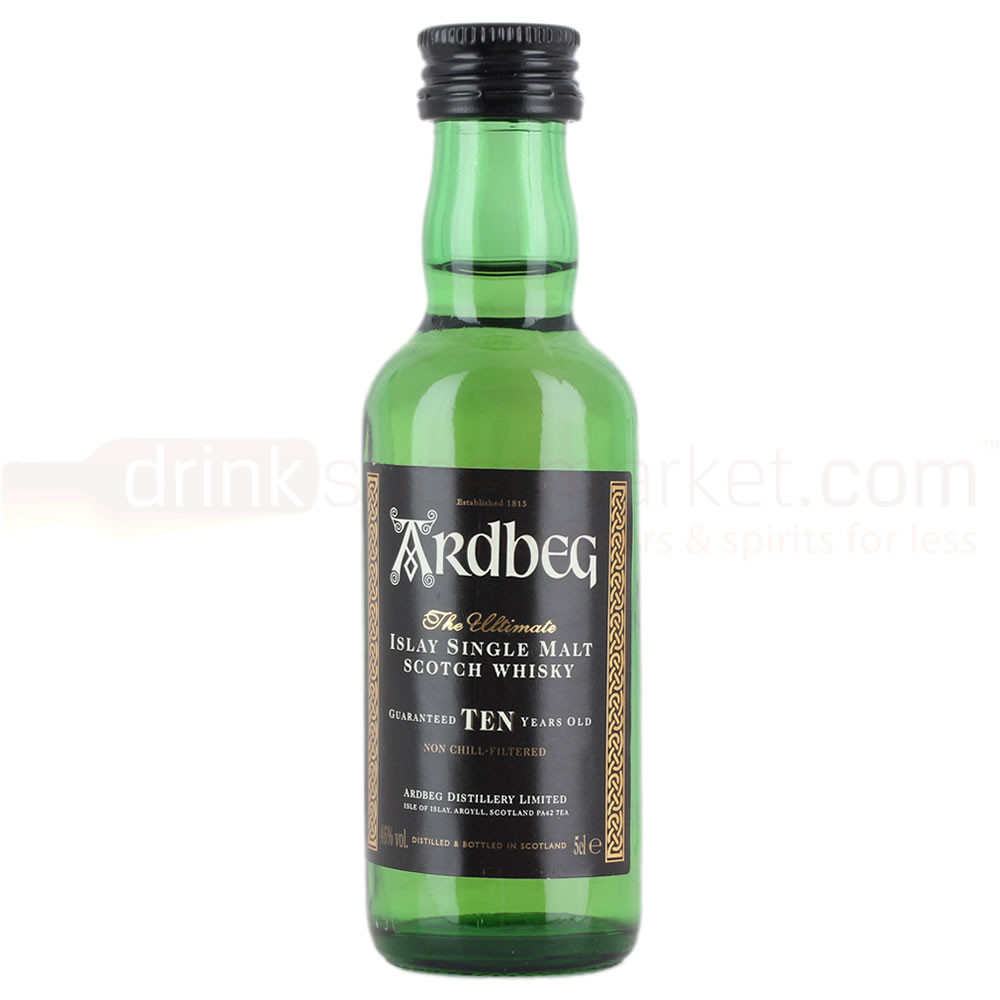
10 years · 46.0% ABV · 5cl
from £6.49 1 retailer
£11.44 delivered
15 years · 48.8% ABV · 70cl
from £77.50 1 retailer
£82.00 delivered
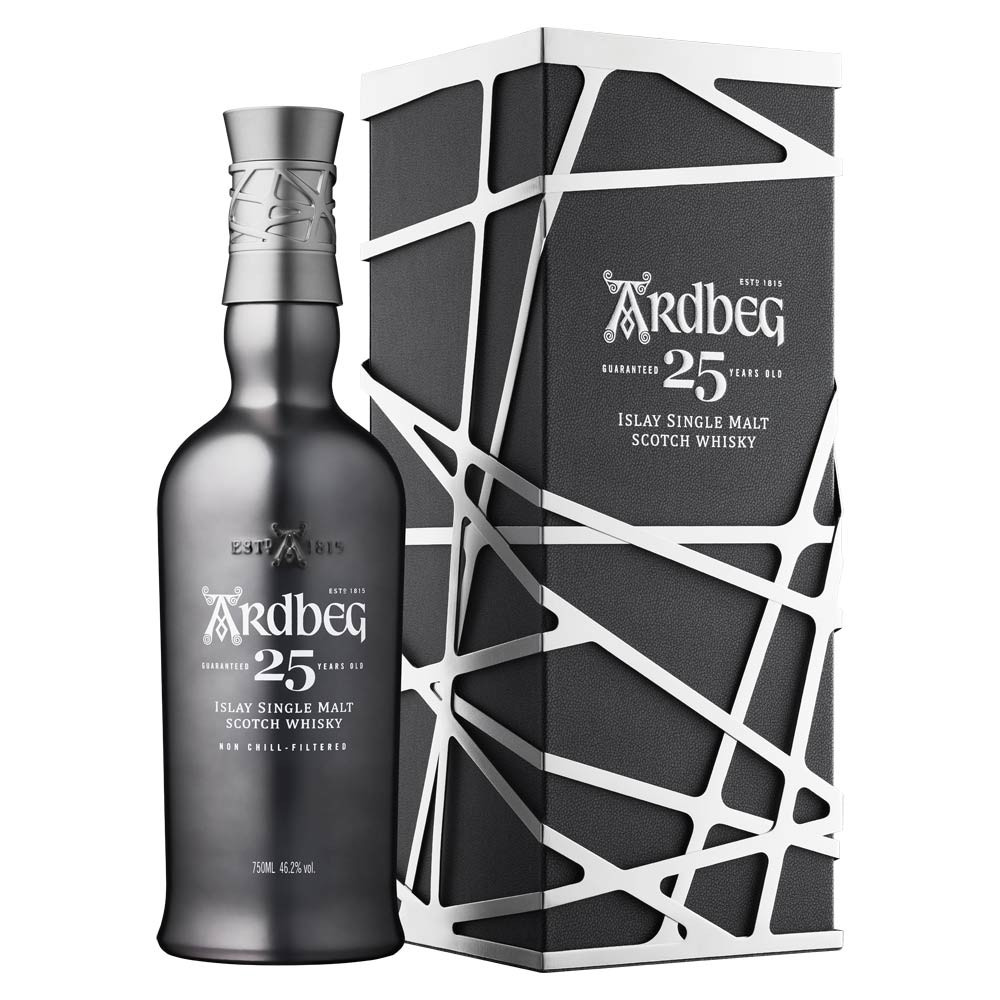
25 years · 46.0% ABV · 70cl
from £949.99 1 retailer
£949.99 delivered
14 years · 46.0% ABV · 70cl
from £140.00 1 retailer
£140.00 delivered
50.9% ABV · 70cl
from £99.00 1 retailer
£103.50 delivered
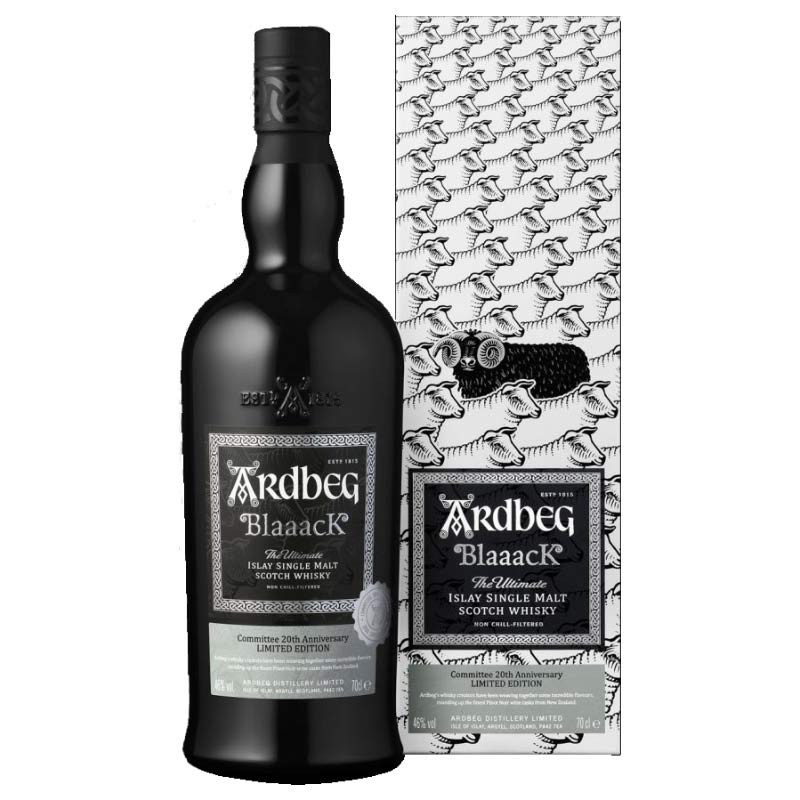
46.0% ABV · 70cl
from £199.99 1 retailer
£199.99 delivered
Learn more about Peated on Whiskipedia